Seven Joys for May 2023
I publish Seven Joys ten to twelve times a year, so there is no rush to get through the things that bring me joy. Read, watch, listen, learn, and find some joy.
One. The Waving Kraken.
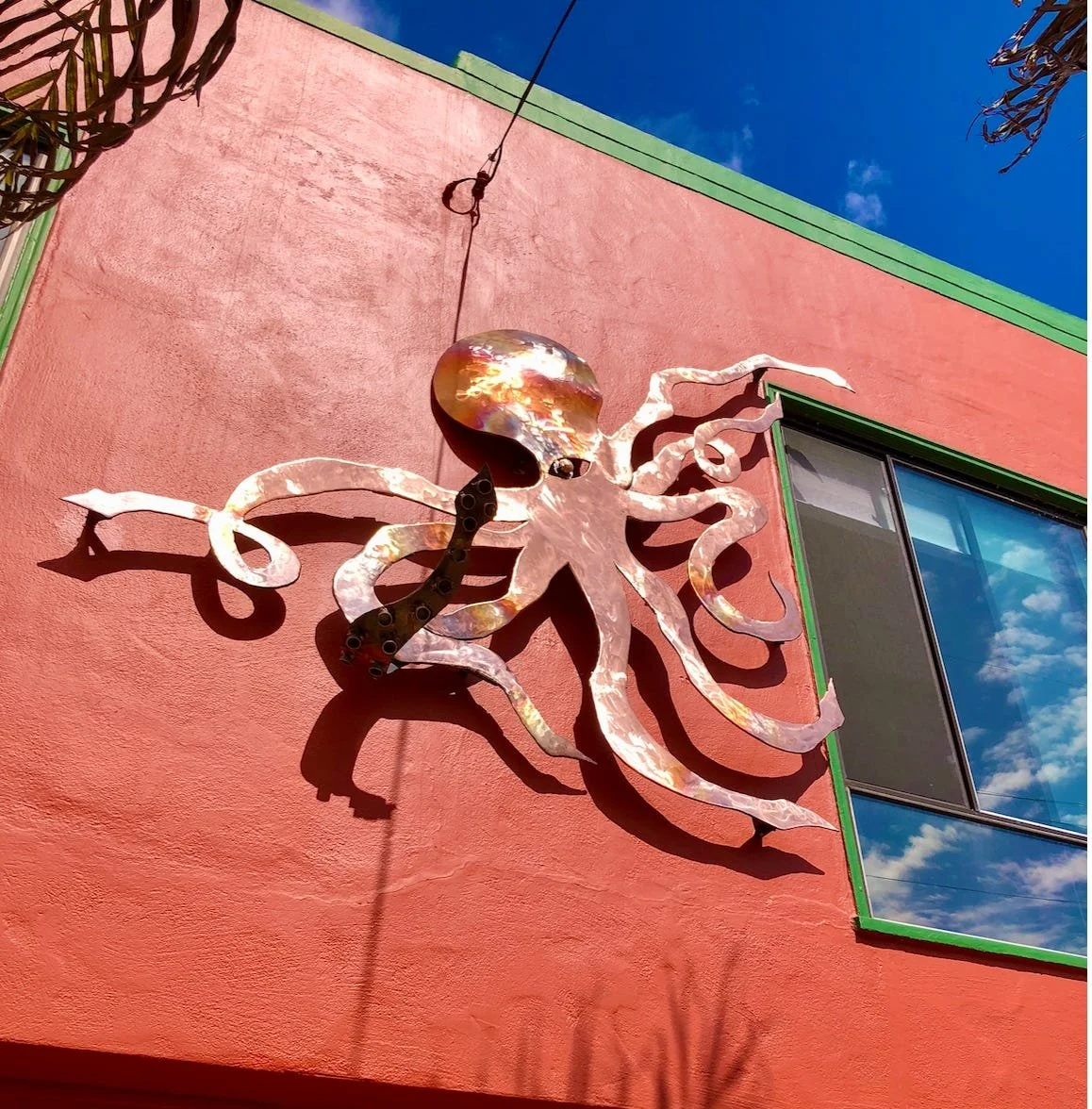
The Waving Kraken by Dan Macchiarini
We live in an ordinary San Francisco Sunset home built in 1947. It’s facade, a blank canvas for a couple of creative fellas to accessorize. We always imagined a dramatic ornament or sculpture of some kind. For 20 years, we waited for inspiration. Then one day, while in the North Beach neighborhood of San Francisco, we saw a metalwork shop—an odd place for a metalwork shop. Inside we found a collection of handmade jewelry and wall sculptures. The owner, Dan Macchiarini, was behind the counter. Dan is an accomplished metalsmith and the son of avant-garde modernist jewelry maker and sculptor Peter Macchiarini (August 27, 1909 – July 3, 2001). We began talking about his work and found ourselves on the topic of a commission to create a piece for our house. We wanted something nautical and something that could withstand the salty sea air. We left Dan to consider the commission and hurried to a now-late dinner reservation.
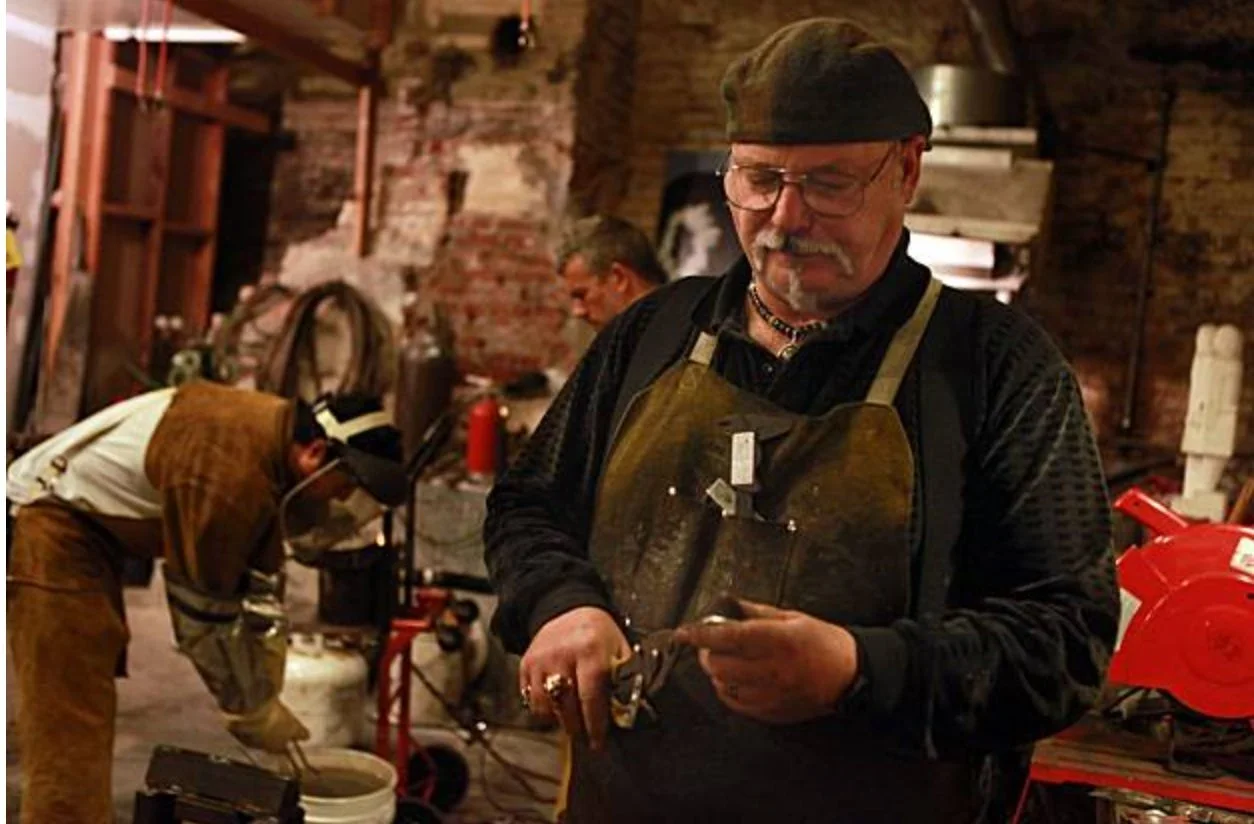
Dan Macchiarini photo San Francisco Chronicle.
After weeks of discussion, we settled on a copper Kraken, scaling the wall of our house and trying to get in through the front window. Dan’s design gave the Kraken a sense of humor as it waves to passers-by with its lower-left tentacle. Installed in October 2020, the Kraken has begun to patina and draws visitors on foot and by car, who stop outside our house to take photos. The joy Waving Kraken brings to us and the neighborhood is thanks to the special genius of Dan.
VISIT: Dan’s Metalwork Studio at 1544 Grant Avenue, San Francisco, Calif.
LEARN: Dan Macchiarini’s life and work. Macchiarini Design
LEARN: Peter Macchiarini’s life and work. Wikipedia and Macchiarini Design
Two. Buttermilk Pie.
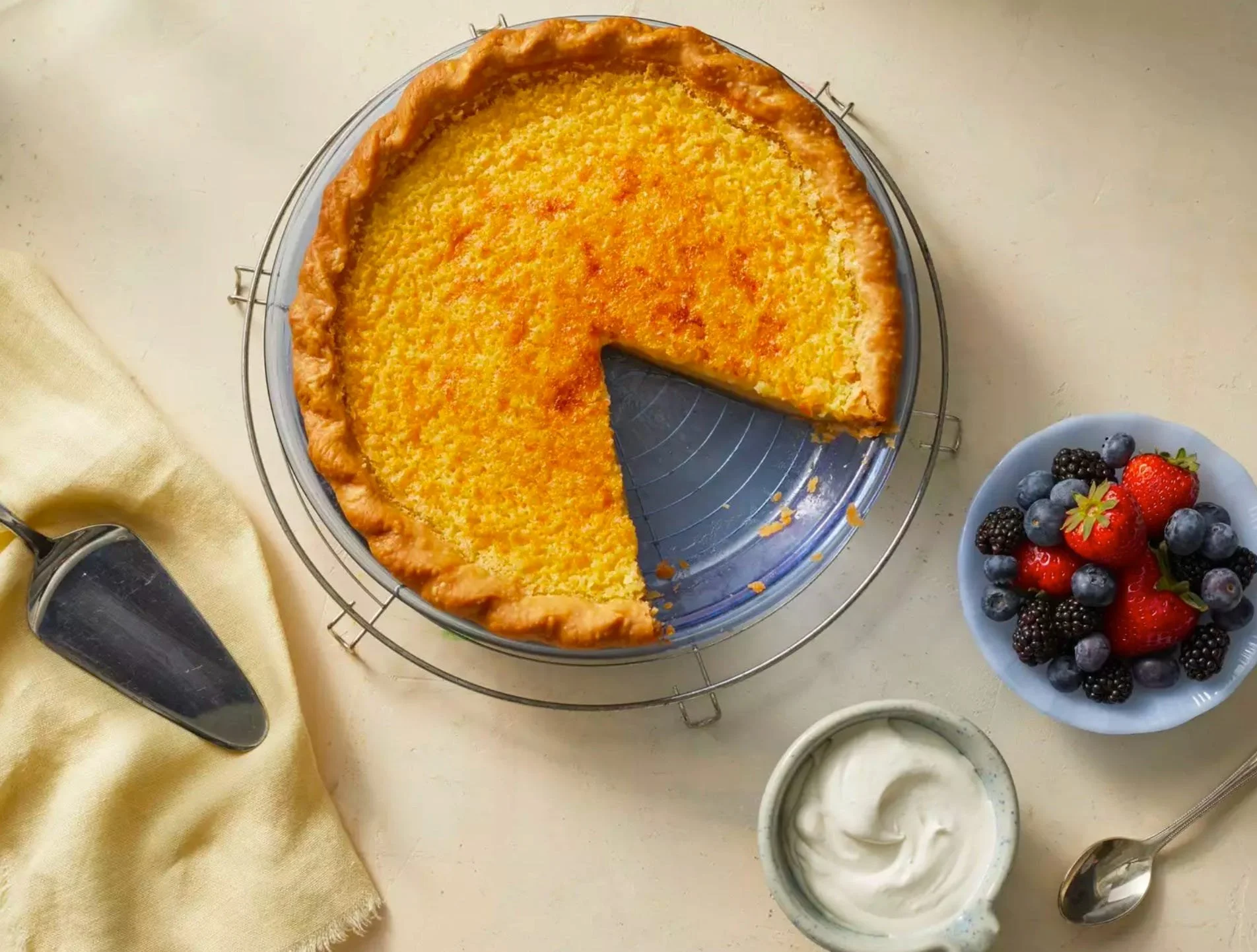
Buttermilk Pie is the most basic of Southern pies. Sugar, butter, eggs, and, of course, buttermilk are the core ingredients. Simple ingredients you find on any homestead in the South. Oakland Chef, Michele McQueen, asked me to develop a buttermilk pie for her, and I jumped at the challenge. Buttermilk Pie is in the family of Southern pies that includes Chess Pie, Pecan Pie, and Chocolate Pie—all developed from the same basic custard ingredients. While I can make Chess Pie in my sleep, my family didn’t make Buttermilk Pie, though I enjoyed it at plenty of picnics and funeral gatherings. The oldest Buttermilk Pie recipe I found was from Mrs. Owens' cook book and useful household hints, published in 1843. I reviewed many recipes and found pies containing various unique ingredients, from nutmeg to rum, cornmeal to pecans. Researching, testing, and eating these different pies was a sheer joy, and the chef was very happy with the results I brought her. I hope to see it on her menu someday.
Three. Elizabeth David.
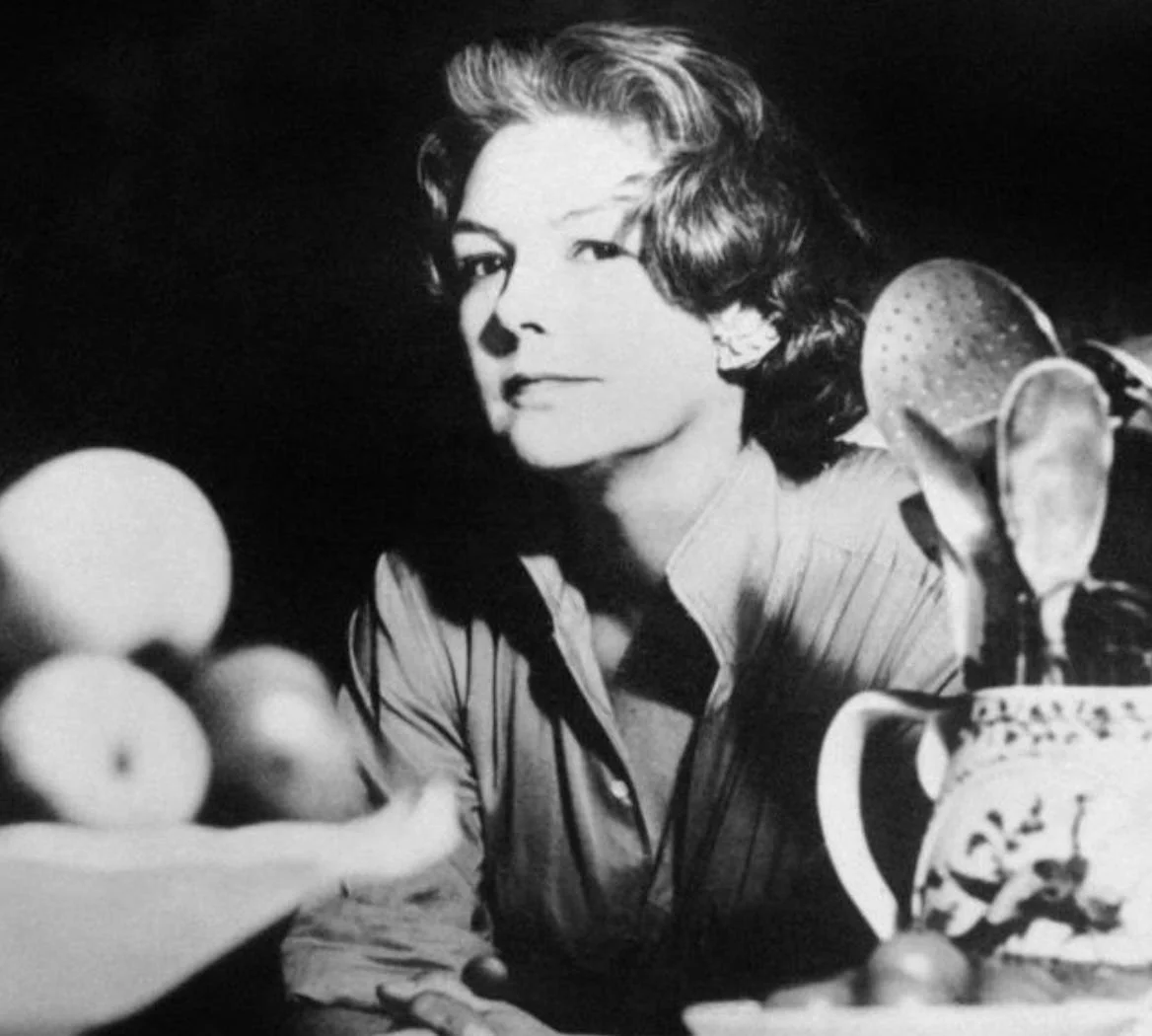
Elizabeth David at her kitchen table, c. 1960 photographer unknown.
Serving as a Peace Corps Volunteer in Zomba, Malawi, from 1989-1991, I read and cooked — a lot. Zomba is situated at 3000 feet elevation at the base of a plateau. The cool, moist climate produces various fruits and vegetables, and Zomba Market is famous nationwide. Ms. Patty, a local British expatriate, and a fine cook, had a collection of cookbooks by food writer Elizabeth David. I had never heard of David but asked to borrow her copy of Spices, Salt & Aromatics in the English Kitchen (1970). I borrowed more and more of Ms. Patty’s Elizabeth David library — devouring every word and cooking many.
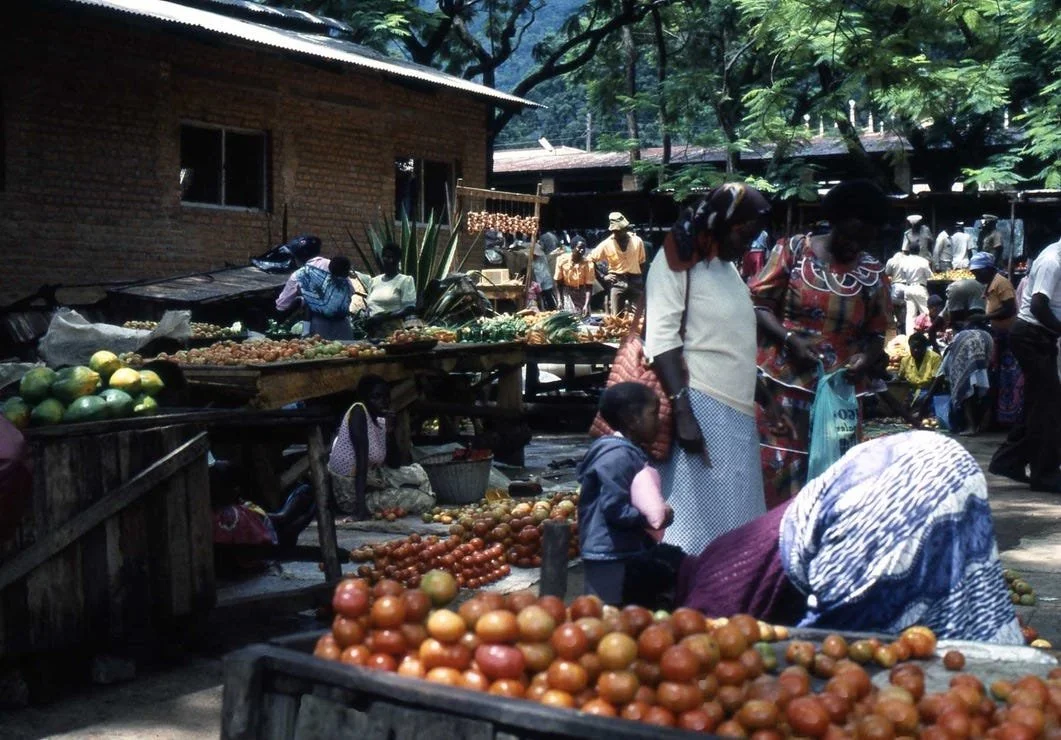
Zomba Market, 1990. Photo by Kevin H. Souza
Elizabeth David was a food writer who revolutionized how Britain thought about and prepared food in the mid-20th century. Born in 1913 in Sussex, England, David spent much of her early life traveling throughout Europe, where she developed a deep appreciation for regional cuisine and traditional cooking techniques.
“The grotesque prudishness and archness with which garlic is treated in [England] has led to the superstition that rubbing the bowl with it before putting the salad in gives sufficient flavor. It rather depends whether you are going to eat the bowl or the salad.”
After World War II, David began writing about food, publishing her first book, A Book of Mediterranean Food, in 1950. David's writing was characterized by its vivid descriptions of food and cooking and its emphasis on using fresh, seasonal ingredients and simple, unfussy techniques. She advocated for home cooking and encouraged her readers to experiment with new ingredients and techniques. Elizabeth David was an important inspiration for Alice Waters. Her writing brought me joy and inspiration before I knew who Alice Waters was, so I’ll take that as a sign that Alice has good taste.
LEARN: Elizabeth David Biography on Wikipedia
READ: Spices, Salt, and Aromatics in the English Kitchen by Elizabeth David, free from the Internet Archive
READ: Summer Cooking by Elizabeth David, free from the Internet Archive
Four. Under Milk Wood by Dylan Thomas.
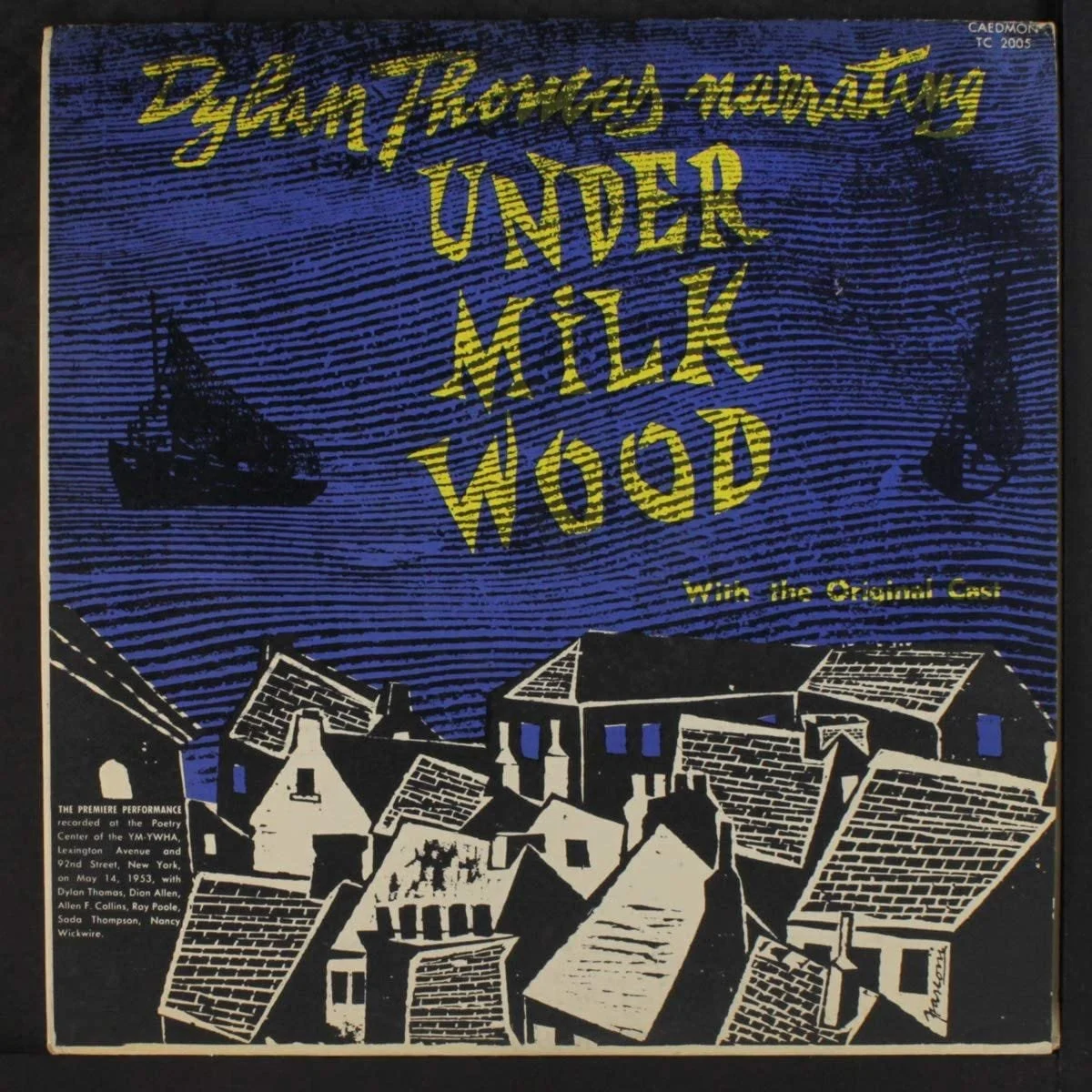
“To begin at the beginning: It is spring, moonless night in the small town, starless and bible-black, the cobblestreets silent and the hunched, courters’-and-rabbits’ wood limping invisible down to the sloeblack, slow, black, crowblack, fishingboatbobbing sea.”
Under Milk Wood is a 1954 radio drama by Welsh poet Dylan Thomas, commissioned by the BBC and later adapted for the stage. An all-knowing narrator invites the audience to listen to the dreams and innermost thoughts of the inhabitants of the fictional small Welsh fishing village, Llareggub (bugger-all spelled backward).
While in high school, I was in a reader’s theatre version of Under Milk Wood with our thespian team. We competed regionally and won some competitions along the way. I played one of the dead husbands of Mrs. Ogmore-Pritchard; I honestly cannot remember which one.
LISTEN: Under Milk Wood by Dylan Thomas, starring Sir Richard Burton.
Five. Prince and the Loring Park Jazz Funk Sessions.

There is no way these improvisational jams by 19-year-old Prince won’t bring you joy and get you off your ass moving. These eight tracks were recorded with two childhood friends, Andre Cymone, and Bobby Z, in the rehearsal room of his first manager, Owen Husney. Prince plays keyboards, guitar, bass, and drums.
“Though the album features instrumentals only, it’s an intimate and terribly funky lens into P’s proficiency on damn-near every instrument, with Bobby Z and Cymone proving to be very capable accompaniment for the purple prodigy, only just beginning on his path to bonafide stardom.”
Six. “Albert de Belleroche” by John Singer Sargent.
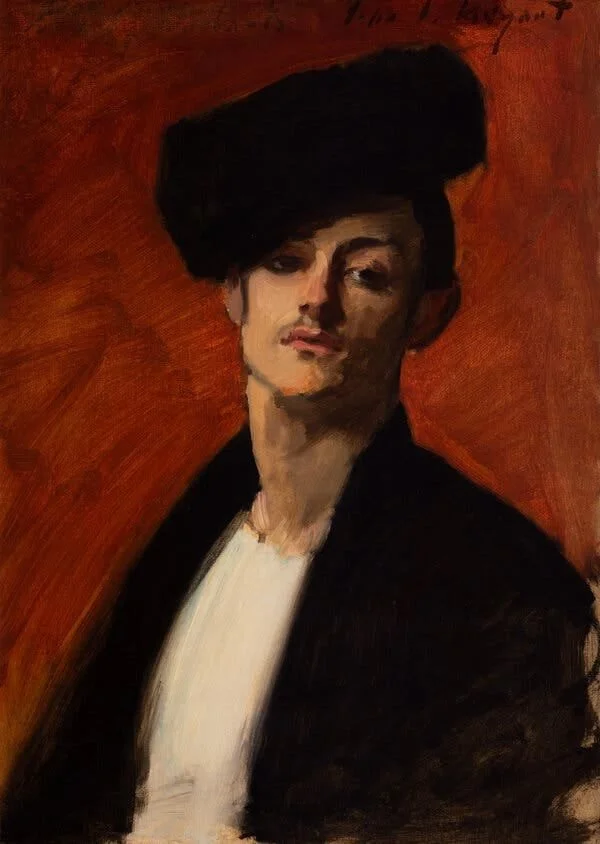
Albert poised in a Spanish hat and cloak. John Singer Sargent. ca. 1882
Albert de Belleroche (1864–1944) was a Welsh-born painter of portraits and genre scenes. He studied art in Paris, where he met and likely had a long-term romantic relationship with John Singer Sargent. Over the years, Sargent painted de Belleroche many times, and one portrait hung in Sargent’s dining room. In 2001, the Seattle Art Museum staged an exhibition of Sargent “working against earlier biographies that portray Sargent as a staid, reticent bachelor, the Seattle show, John Singer Sargent: The Sensualist, presented him as “a complicated, exuberant, passionate individual with a homosexual identity,” wrote Patricia Failing, professor of art history at the University of Washington.
Daniel and I recently saw the Sargent in Spain exhibition at San Francisco’s Legion of Honor and I was spellbound by the sensuality of this portrait.
LEARN: Sargent in Spain exhibition, National Gallery of Art.
READ: Review of The Hidden Sargent exhibition by Patricia Failing.
Seven. “Hunger-making raw fog, and the throb of neons in the soft night.”
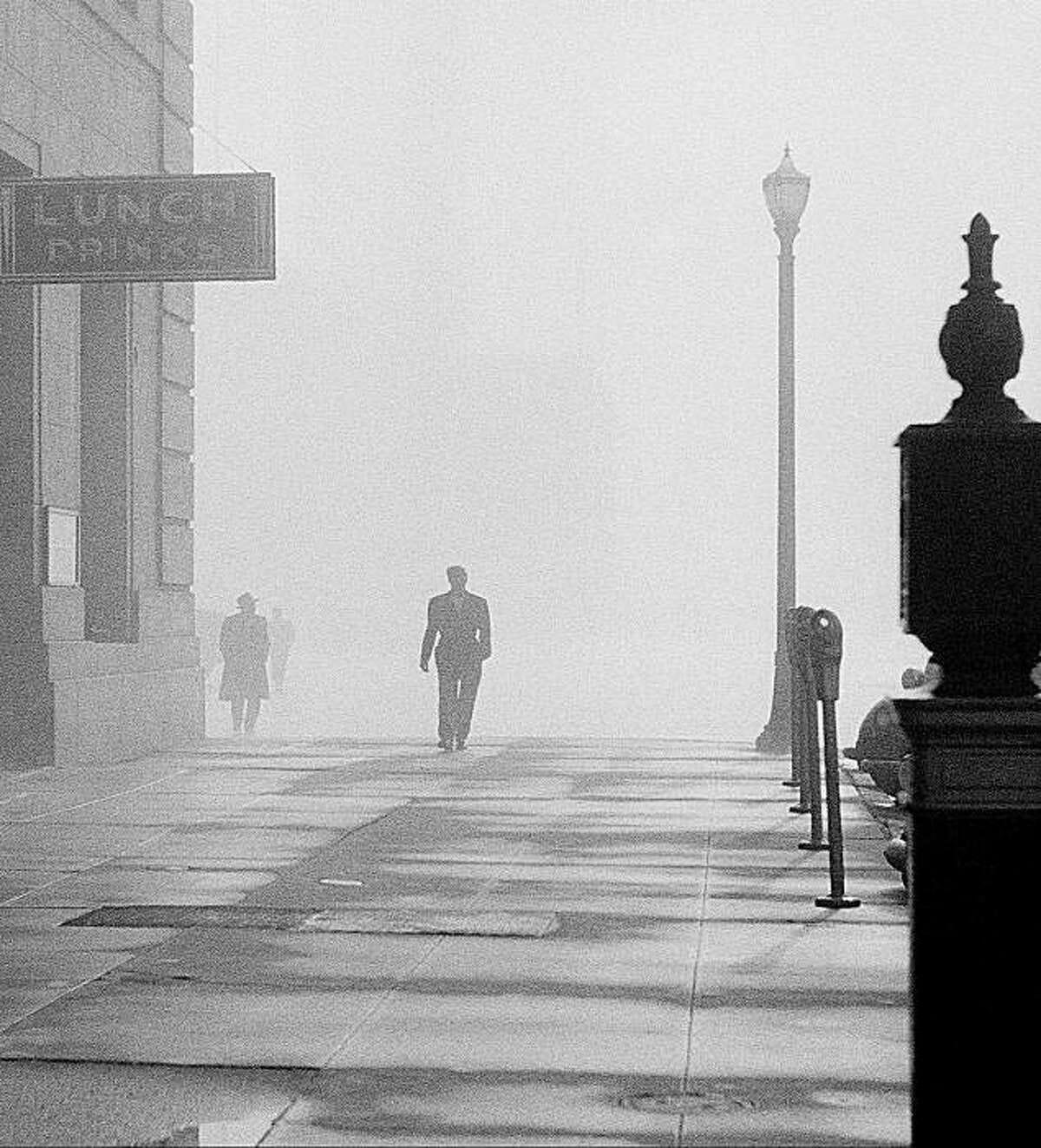
Fog, San Francisco Embarcadero. 1948. Fred Lyon (1924-2022)
“In the window I smelled all the food of San Francisco. There were seafood places out there where the buns were hot, and the baskets were good enough to eat too; where the menus themselves were soft with foody esculence as though dipped in hot broths and roasted dry and good enough to eat too. Just show me the bluefish spangle on a seafood menu and I’d eat it; let me smell the drawn butter and lobster claws. There were places where they specialized in thick red roast beef au jus, or roast chicken basted in wine. There were places where hamburgs sizzled on grills and the coffee was only a nickel. And oh, that pan-fried chow mein flavored air that blew into my room from Chinatown, vying with the spaghetti sauces of North Beach, the soft-shell crab of Fisherman’s Wharf– nay, the ribs of Fillmore turning on spits! Throw in the Market Street chili beans, redhot, and french-fried potatoes of the Embarcadero wino night, and steamed clams from Sausalito across the bay, and that’s my ah-dream of San Francisco. Add fog, hunger-making raw fog, and the throb of neons in the soft night, the clack of high-heeled beauties, white doves in a Chinese grocery window . . .””
Never mind that soft-shell crabs and bluefish are east coast delicacies. That is just Jack projecting what he knows onto San Francisco. I love this passage from On the Road, “where the buns were hot, and the baskets were good enough to eat too.”
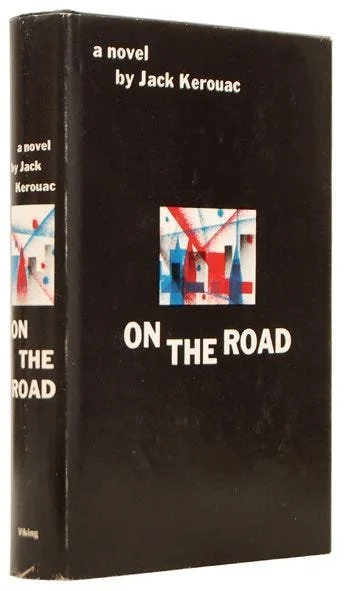
LISTEN: On the Road by Jack Kerouac. (9 hrs 38 min)
LEARN: Fred Lyon, San Francisco’s Photographer
Well, that’s all for May, folks. I hope this brought you a few minutes of joy, hours if you listen to On the Road. Be grateful, live in the moment, and seek joy. - Kevin