Seven Joys for March 2023
One. Don Shirley’s Orpheus in the Underworld (1956)
“Don Shirley’s virtuosity is worthy of Gods. ”
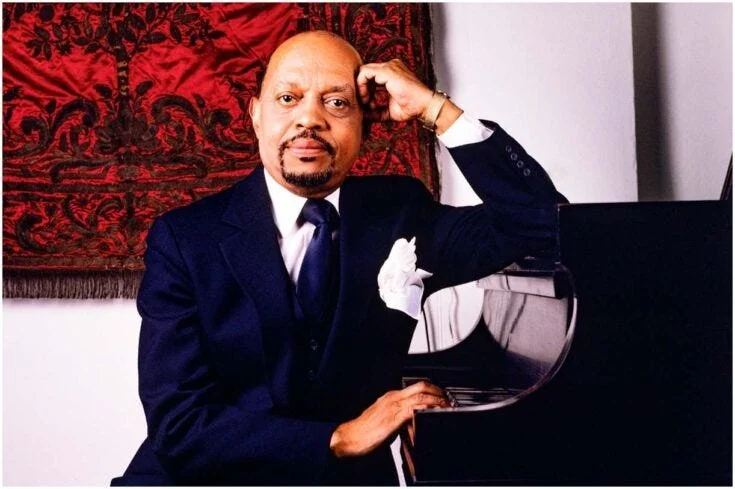
Don Shirley (1927-2013). Getty Images.
I discovered the artistry of Don Shirley through the grossly inaccurate 2018 film Green Book by director Peter Farrelly. The film starred the very talented Mahershala Ali in the role of Don Shirley, an American classical and jazz pianist, and composer. While Shirley’s family condemned the film, I am grateful to have discovered Shirley by watching it and being curious enough to want to learn about the real Don Shirley. Since then, I have enjoyed many hours of his music, varying from classical to jazz and the American songbook.
Five years later, I have seven recordings by Shirley in our vinyl collection. One of those recordings is a rare copy of his 1956 improvisation on the myth of Orpheus. He based the 11 movements on a text of the myth and an oil painting depicted on the album cover. We know he performed the work on an Imperial Böesendofer piano because movements 9 and 10 utilize the extended bass range of the Böesendofer’s nine extra keys. It was the second work Shirley recorded and one of 24 long play recordings he released through 2001.
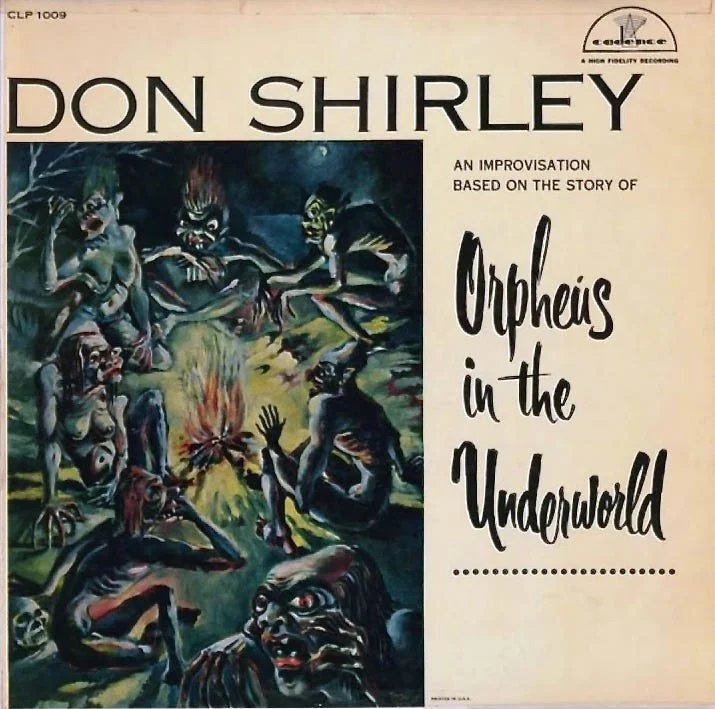
Album cover for the 1956 recording of Don Shirley’s Orpheus in the Underworld
I encourage you to listen to the full recording (approximately 30 minutes). A written description of the action within each movement is provided on the album and reproduced here.
LISTEN: Orpheus in the Underworld by Don Shirley on YouTube.
Two. The Buttermilk Biscuit - Holy Grail of Southern Cooking.
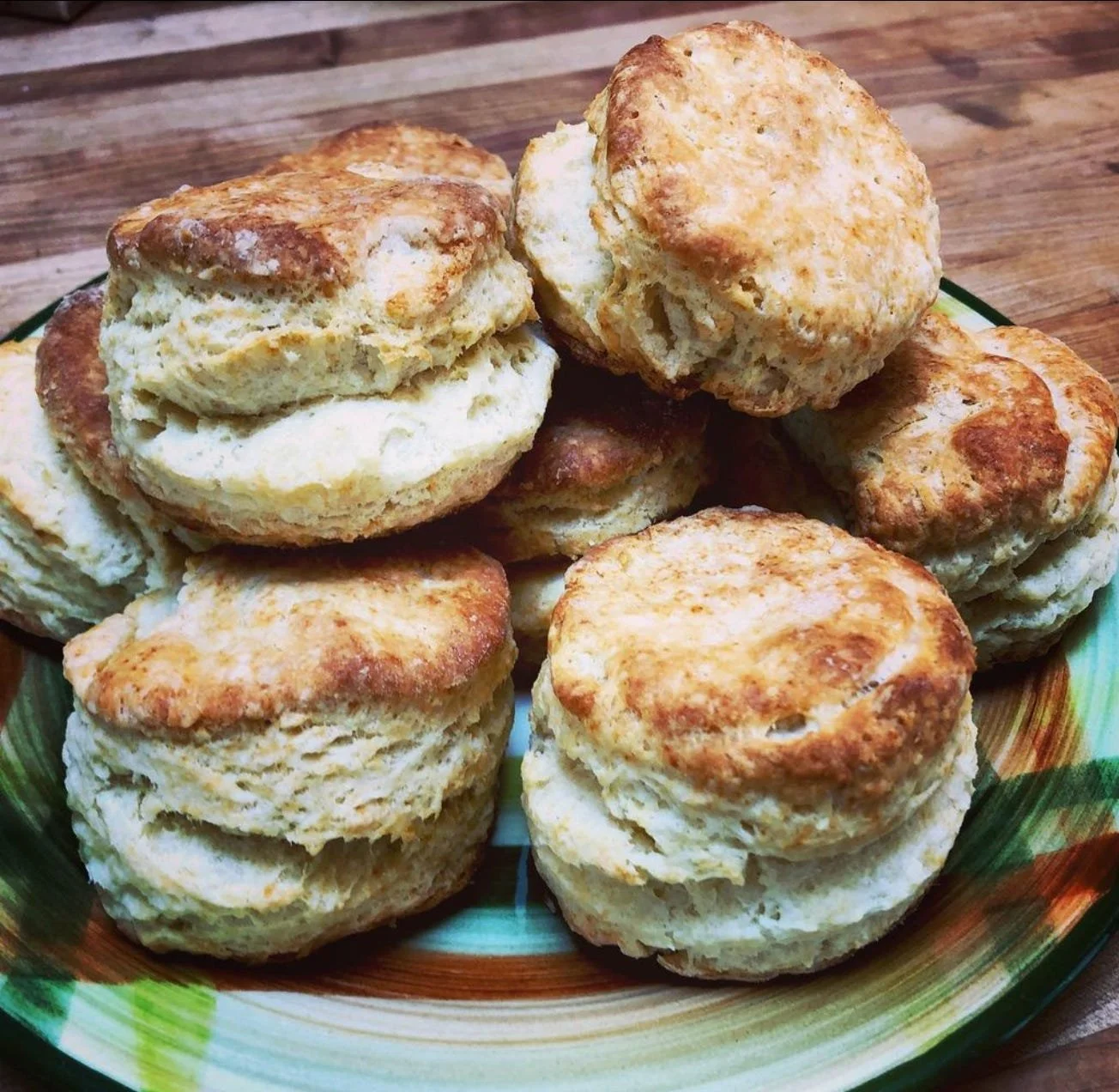
A plate of my buttermilk biscuits.
Just spend a few minutes looking at this plate of buttermilk biscuits…
Buttermilk biscuits were the holy grail in my pursuit to recreate the food of my mother and grandmother. It took me almost 35 years to master them. This light and fluffy quick bread is the staple of any southern breakfast, but it does not have a long and storied history in Southern Foodways. A biscuit has always been part of the American South, providing substance in the fields or waterways. However, before the biscuit pictured above, there were hard, less-leavened style biscuits whose texture gave credit to their name derived from biscotti (twice-baked). It was not until the availability of baking soda and baking powder (the 1850s) that the modern buttermilk biscuit was born. The biscuit I grew up eating had only been around for three generations.
Neither my grandmother nor my mother used a recipe, and I watched them make biscuits hundreds of times but could never reproduce them. I am convinced it was because you needed to make these every day to get all the components in perfect balance. When made correctly, they are so light they float off the plate — mine were more like scones that required lots of dunking to choke down.
Then one day, while locked in my house to avoid a modern plague, I watched Erika Council cook up a batch of biscuits on Instagram Live as part of a Southern Foodways special event. Watching her, everything clicked into place, and I started pulling ingredients out of the pantry and following along, and bless my soul, they worked perfectly. I honestly cried while eating that first biscuit, overwhelmed by memories of my mother and tasting something I never thought I would taste again. There was grace in that biscuit and many I have made since then, never losing sight of the joy they bring.
BAKE: Erika Council’s Buttermilk Biscuits - this recipe calls for White Lily, but you can use King Arthur’s All-Purpose with 11.7% protein.
Three. Mind Your Own Biscuits, and Life will be Gravy.
In August 2019, my son Zander and I drove to St Helena in California’s Napa Valley. Zander was going to check out the Culinary Institute of America, where he would enroll a few months later and set on the path of becoming a chef. That alone brings me enough joy to fill up dozens of these newsletters. Anyway, we were driving along Highway 37 and passed a diner with one of those lighted arrow signs with marquis-style letters that read, “Mind your own biscuits, and life will be gravy.” - WOW, YES, that sums it up. Simple, to the point, and with a Southern flair. In a world full of hate and oppression, the simplicity of it brought me joy. I later discovered that the phrase is from a Kacey Musgraves song. I had never heard of Kacey Musgraves and started listening to her music, which also brings me hours of joy.
“… Just hoe your own row and raise your own babies
Smoke your own smoke and grow your own daisies
Mend your own fences and own your own crazy
Mind your own biscuits and life will be gravy”

LISTEN: Biscuits by Kacey Musgraves.
Four. From Scratch by Rev. Marvin K. White.
“On the first day, God made a meal plan. Finally had it all figured out. Finally had a taste for something. On the second day, God made a grocery list. “One of everything,” God thought. On the third day, God planted a garden—God’s own farmers’ market. On the fourth day, God sharpened God’s knives. God created iron and cast it into skillets. God preheated the oven and forgot about it. We will talk about this hell another time. On the fifth day, God chopped, and God baked, and God boiled, and God braised, and God broiled, and God fried, and God grilled, and God roasted, and God poached, and God steamed, and God stewed. For hours, God stewed. On the sixth day, God opened all the pots and a mist went up from the pots and watered the whole face of God. And God sweat the vegetables. On the seventh day, God created Company and they came over and they ate with God. And God looked around at God’s kitchen and ended Their work which They had done, and They rested. On the eighth day, itis. ”
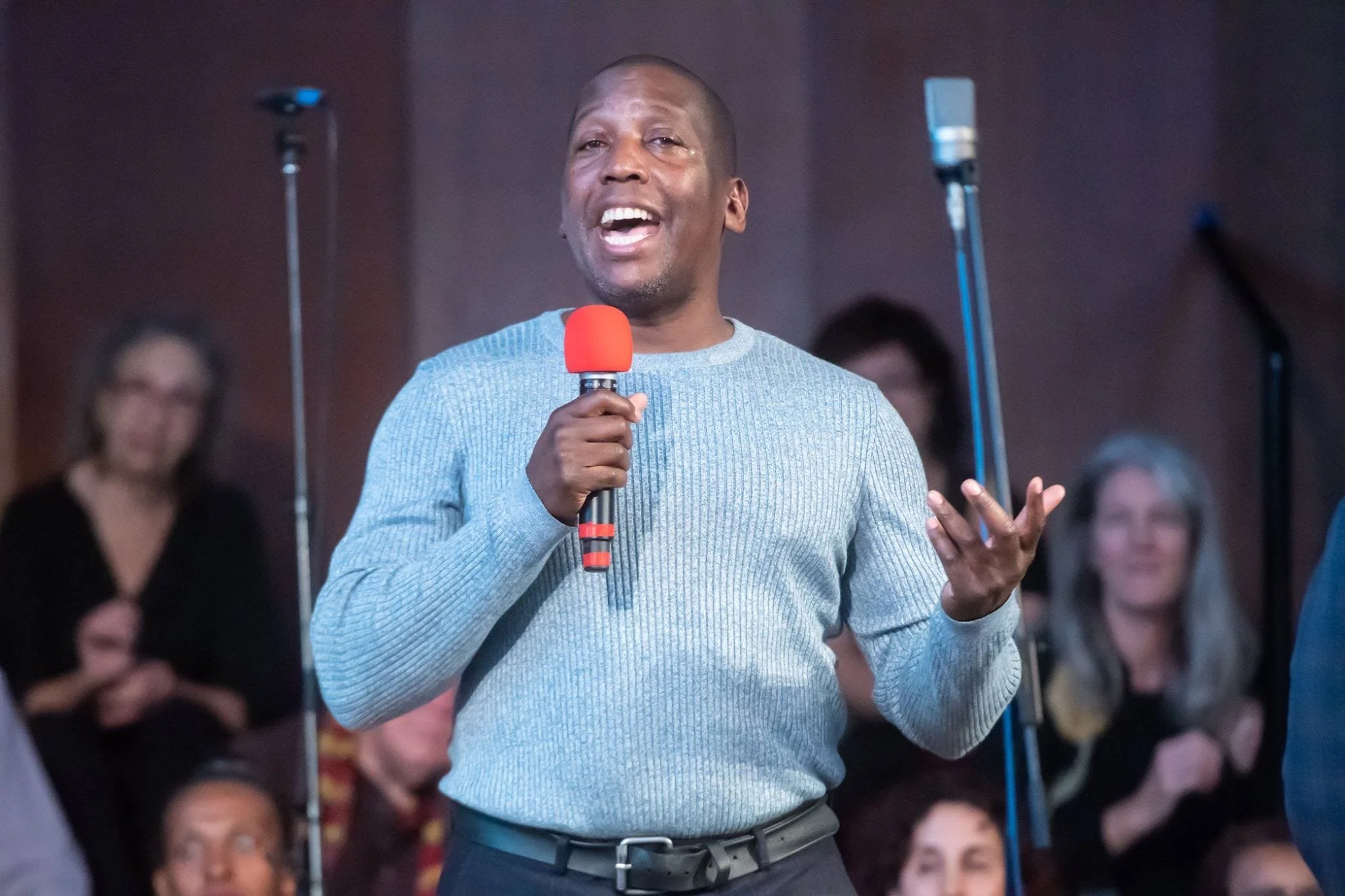
Rev. Martin K. White. Photo Glide Memorial Church.
“On the sixth day, God opened all the pots and a mist went up from the pots and watered the whole face of God. ”
Rev. Marvin K. White is the Minister of Celebration at Glide Memorial Church in San Francisco, California. Bryant Terry published this sermonette in Black Food: Stories, Art, and Recipes from Across the African Diaspora.
Five. A Visual Feast of a Fairytale.
One of the most beautiful films I have ever seen - again and again - is The Fall by Tarsem Singh. The Fall is a visually stunning fairytale that weaves a series of stories inside of stories where the two main characters, Roy and Alexandria, are the storyteller, played by Lee Pace, and the listener, Catinca Untaru. The moral of the fairytale is that a storyteller never really owns their story; stories are the sum of the teller, the listener, the characters, the time, and the place. Roger Ebert wrote, “It is [Alexandria’s] imagination that creates the images of Roy's story, and they have a purity and power beyond all calculation. Roy is her perfect storyteller, she is his perfect listener, and together they build a world." As the movie begins, Roy tries to control the story, even correcting some of Alexandria’s interpretations of his words, but as the story progresses, Alexandria takes more control, ultimately saving Roy’s life.
“Tarsem’s The Fall is a mad folly, an extravagant visual orgy, a free fall from reality into uncharted realms. Surely it is one of the wildest indulgences a director has ever granted himself. Tarsem … filmed it for four years in 28 countries and has made a movie that you might want to see for no other reason than because it exists. There will never be another like it.”
This story takes place in 1915 Los Angeles, the height of the silent movie era. The opening credits, brought to film by cinematographer Colin Watkinson, are breathtakingly melodramatic. The film opens immediately after filming a stunt-gone-terribly-wrong for a western picture, and I have provided a link to the opening credits here. Watch it a couple of times - at least.
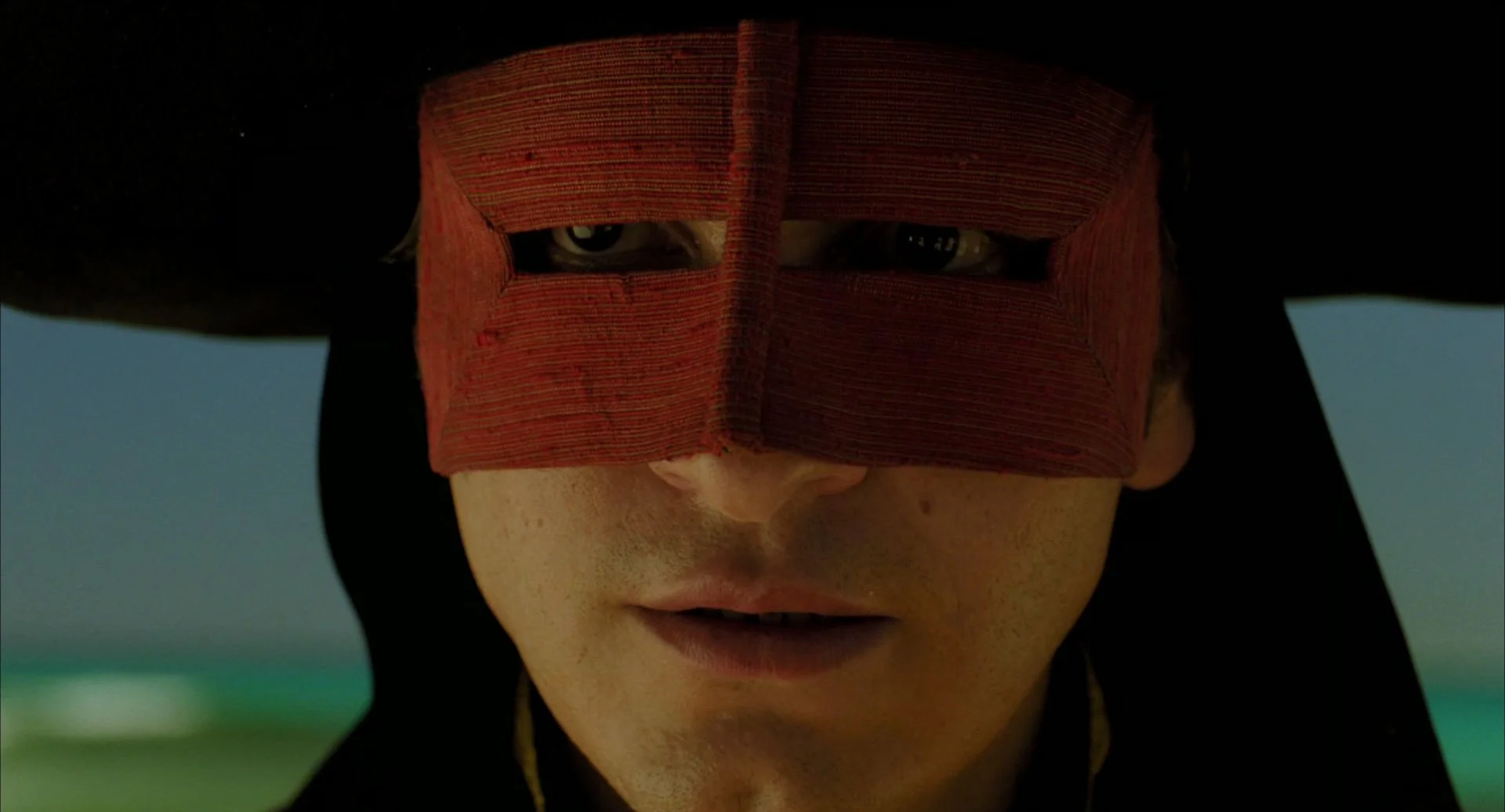
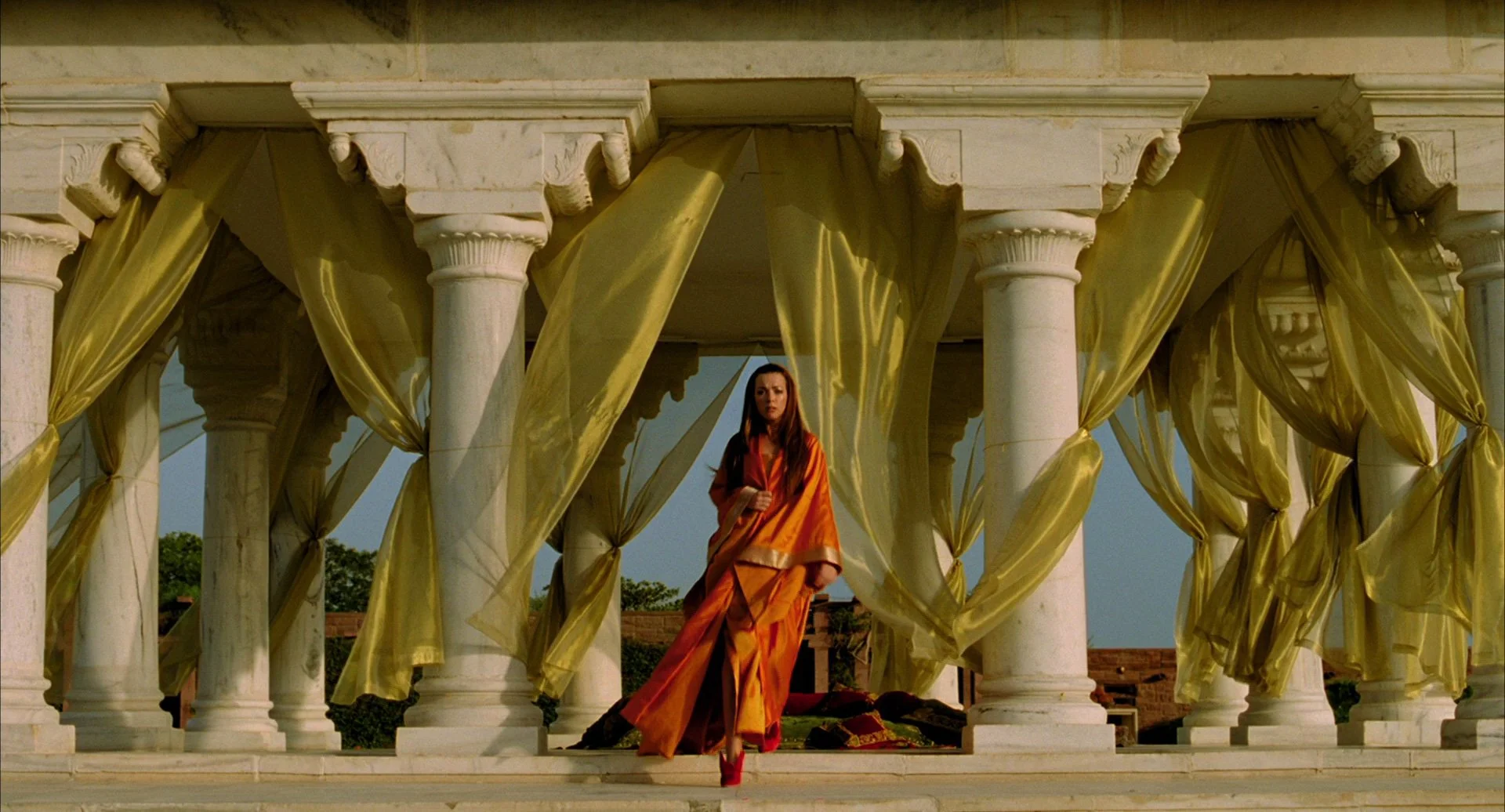
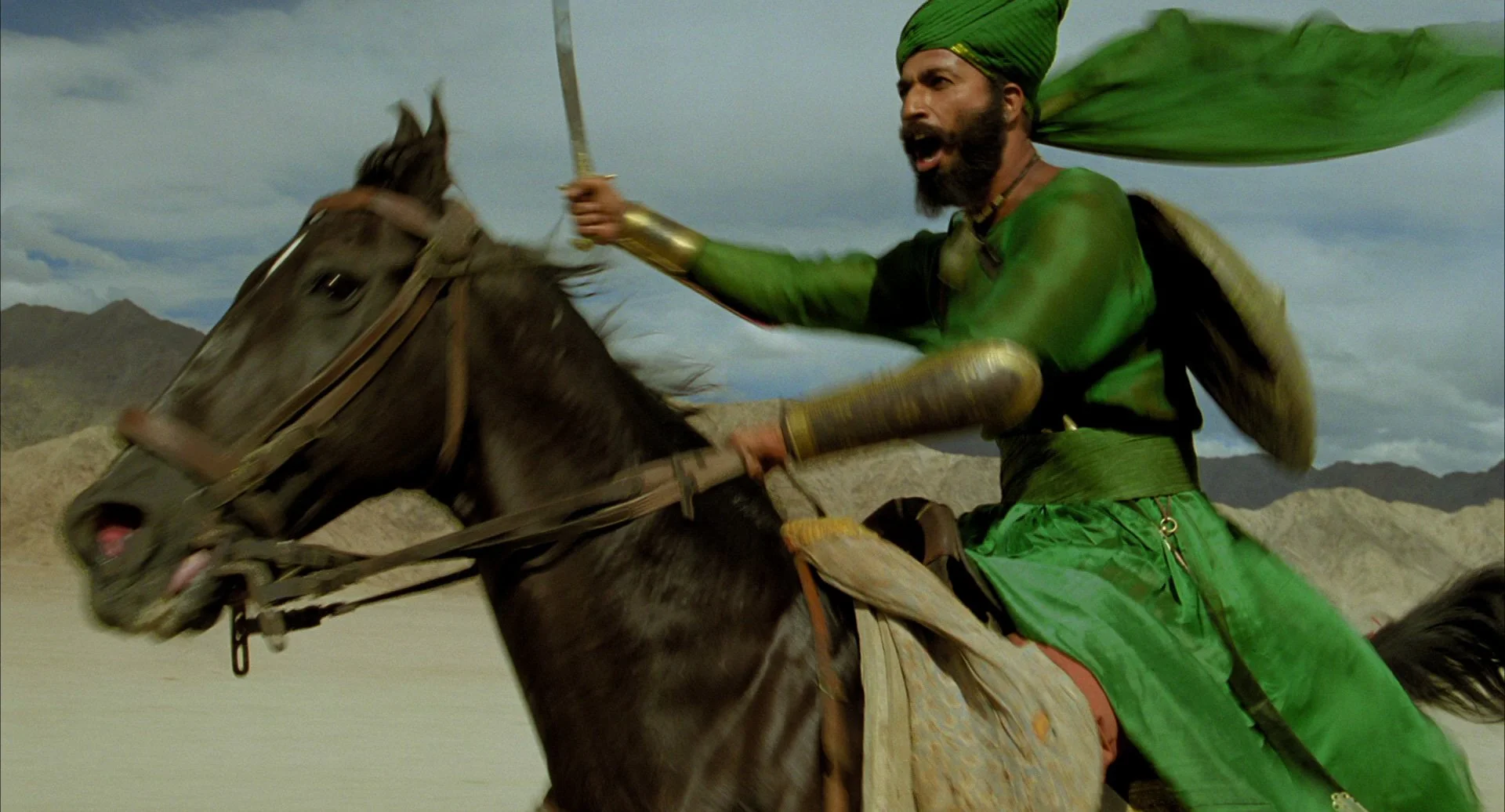
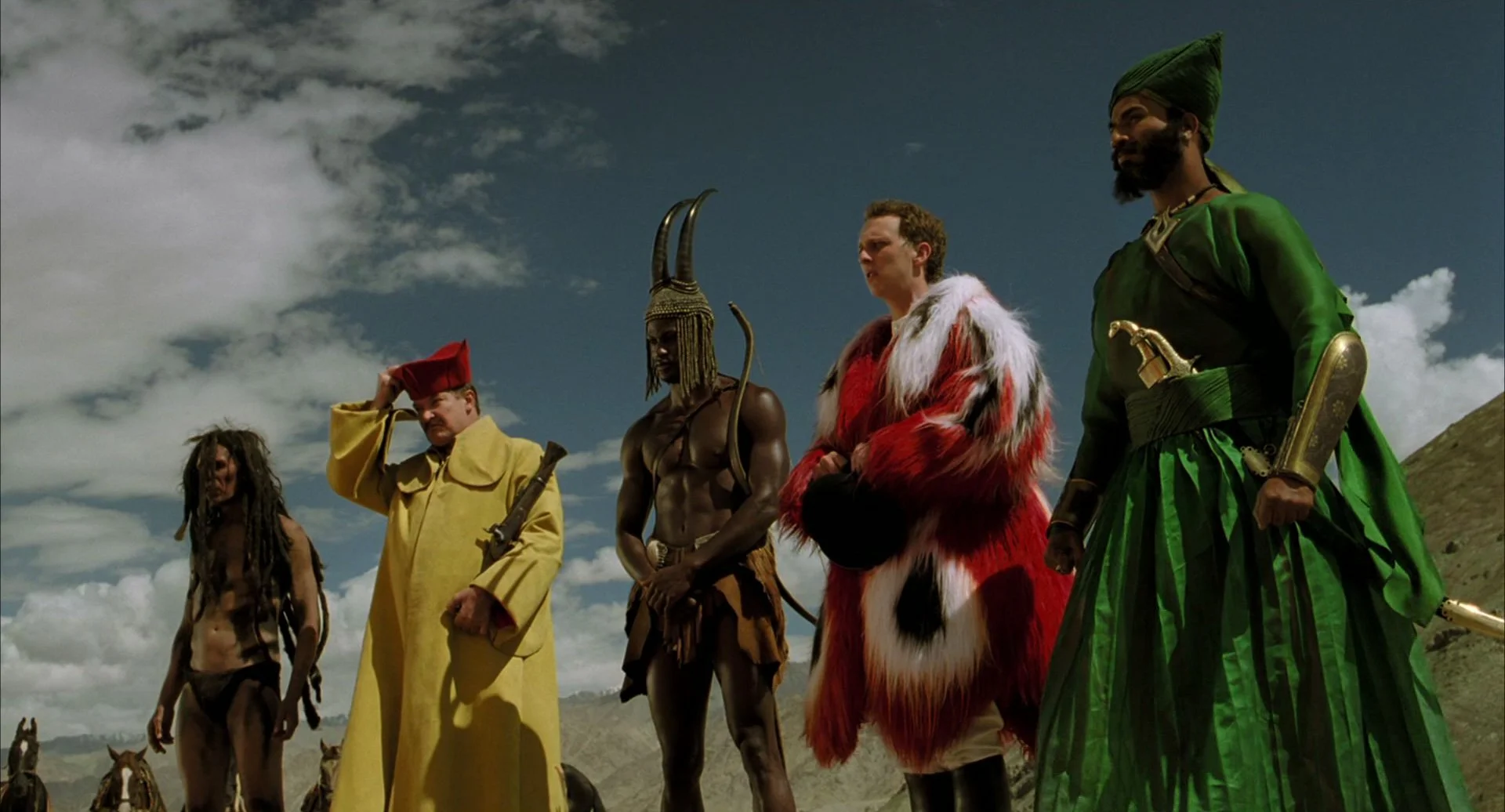
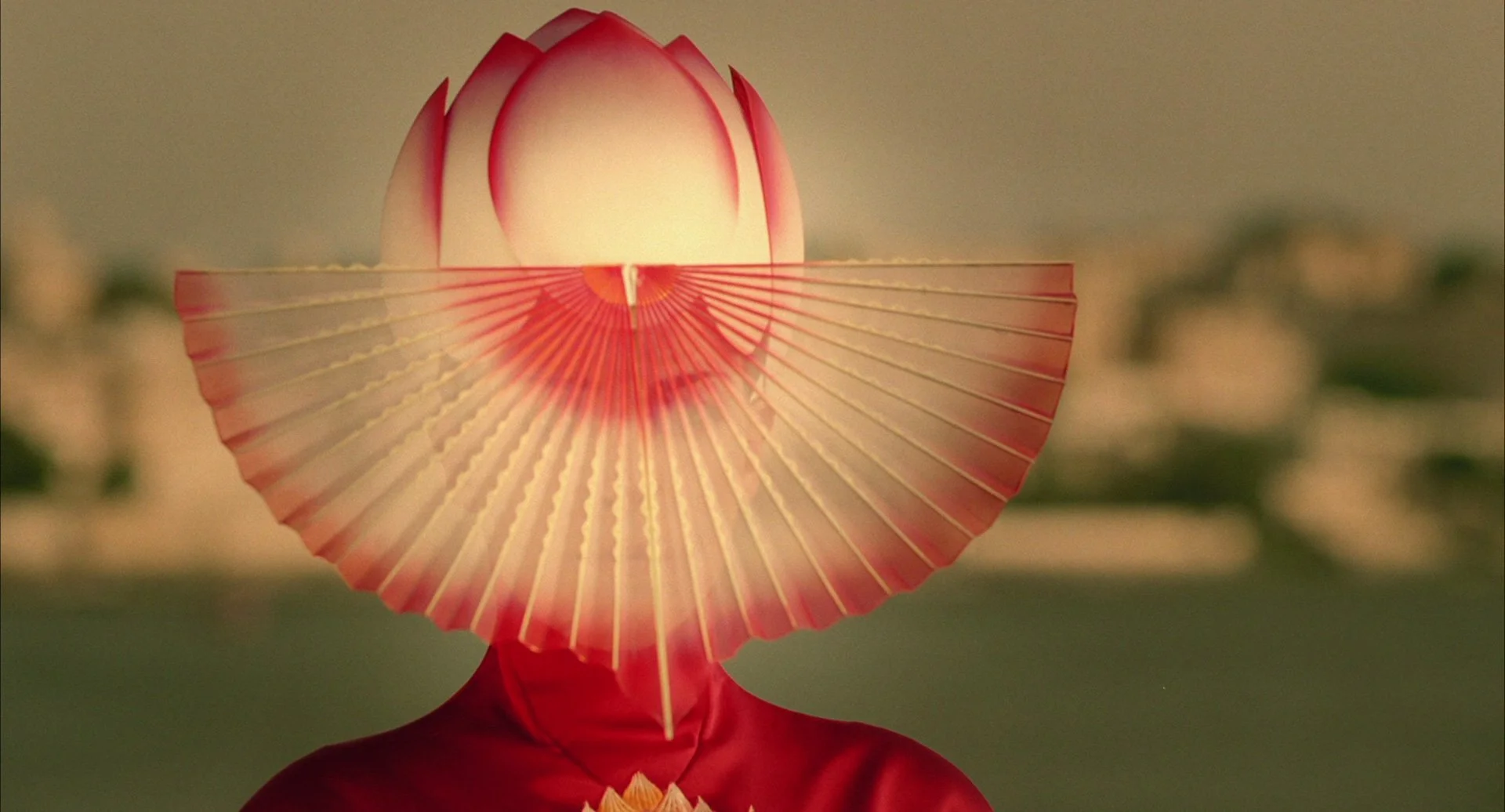
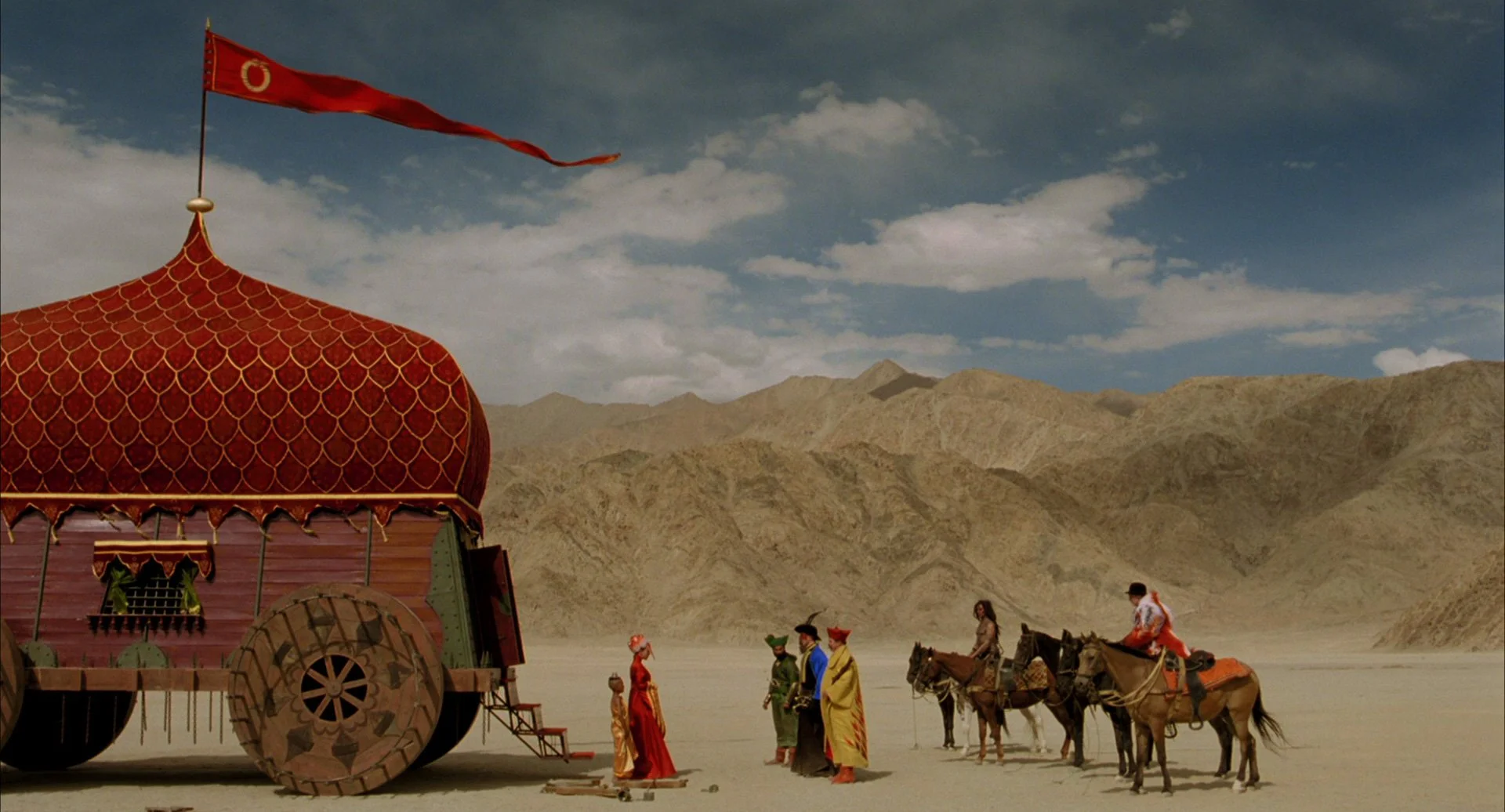
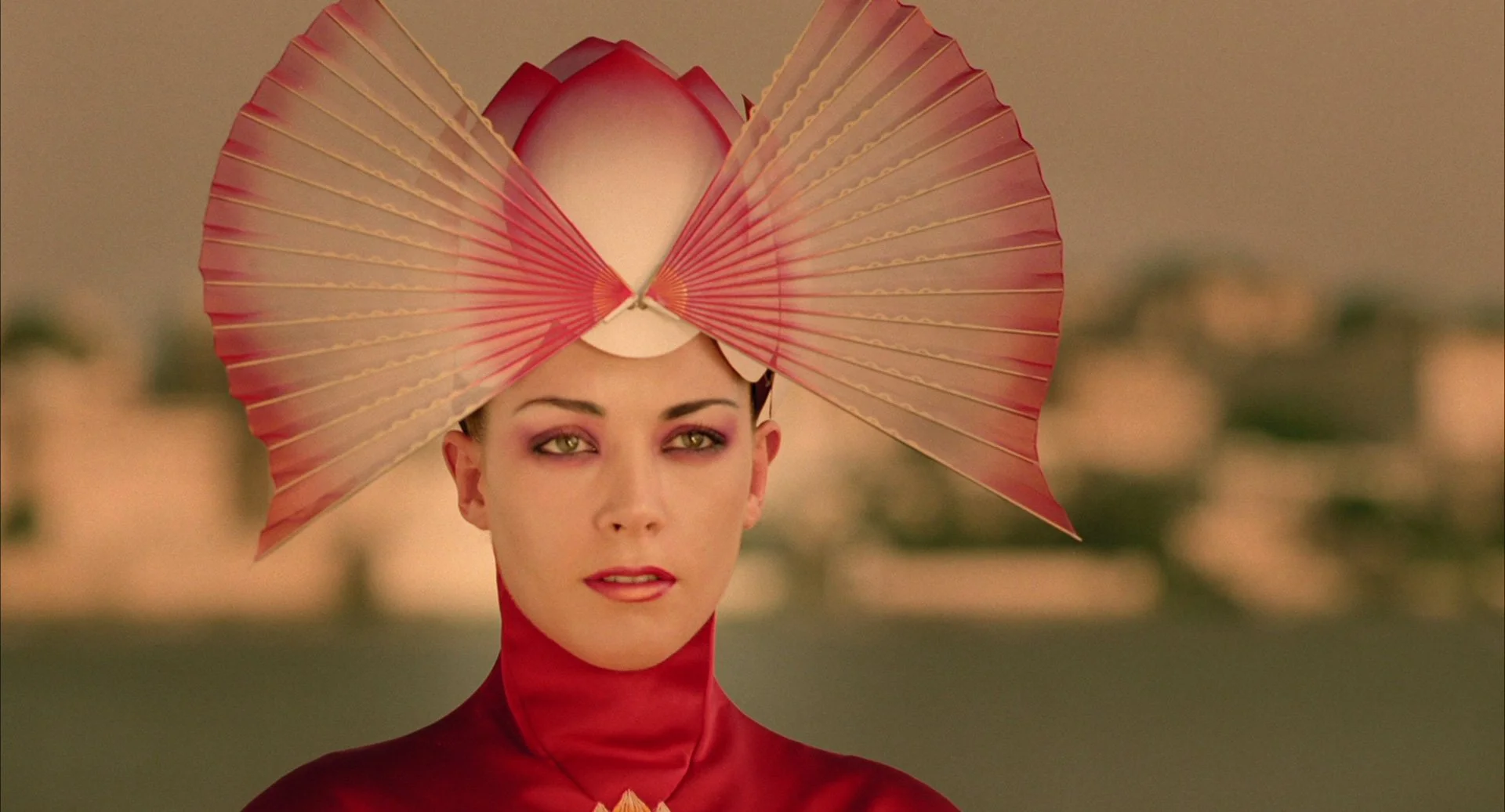
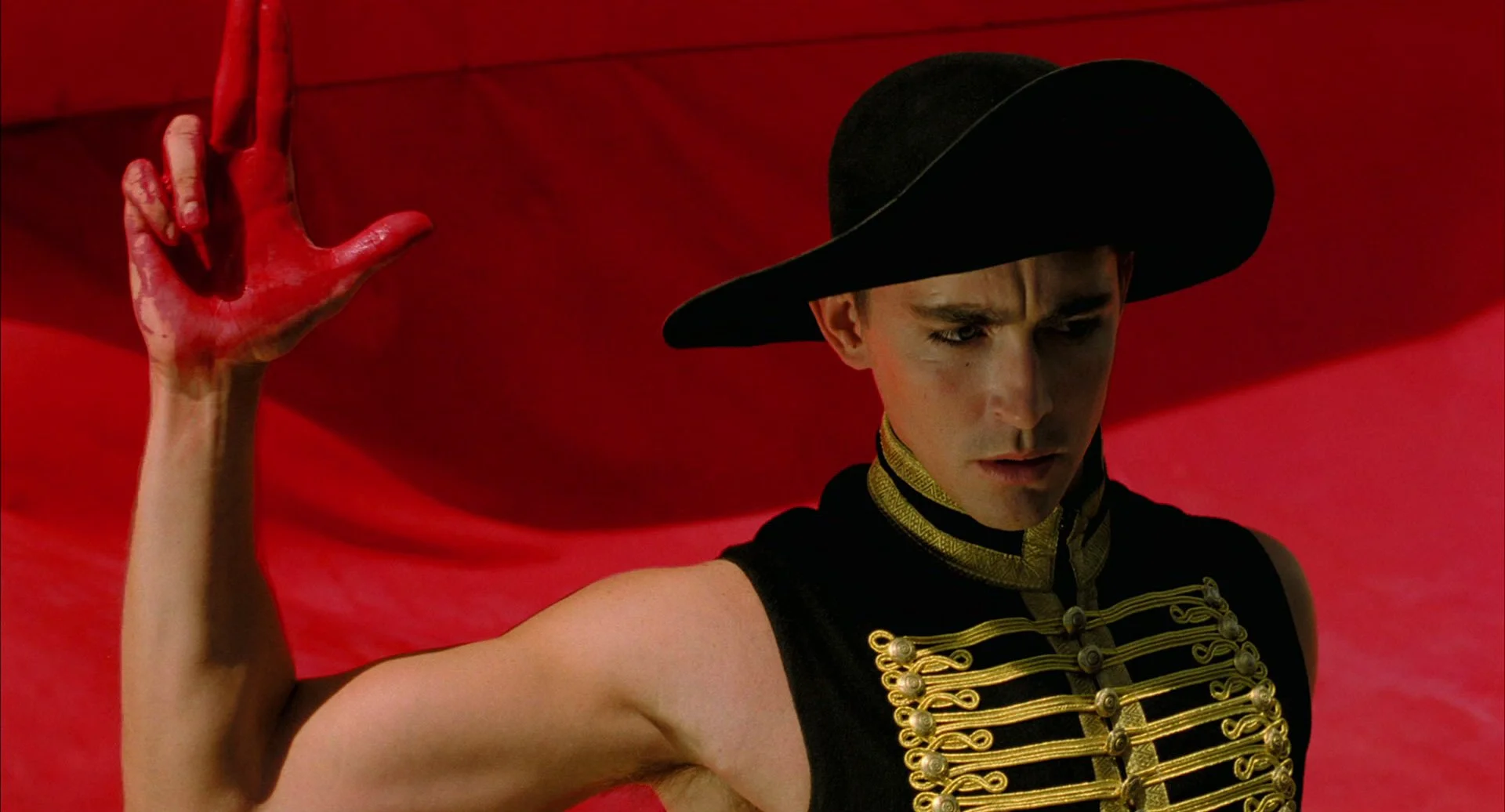
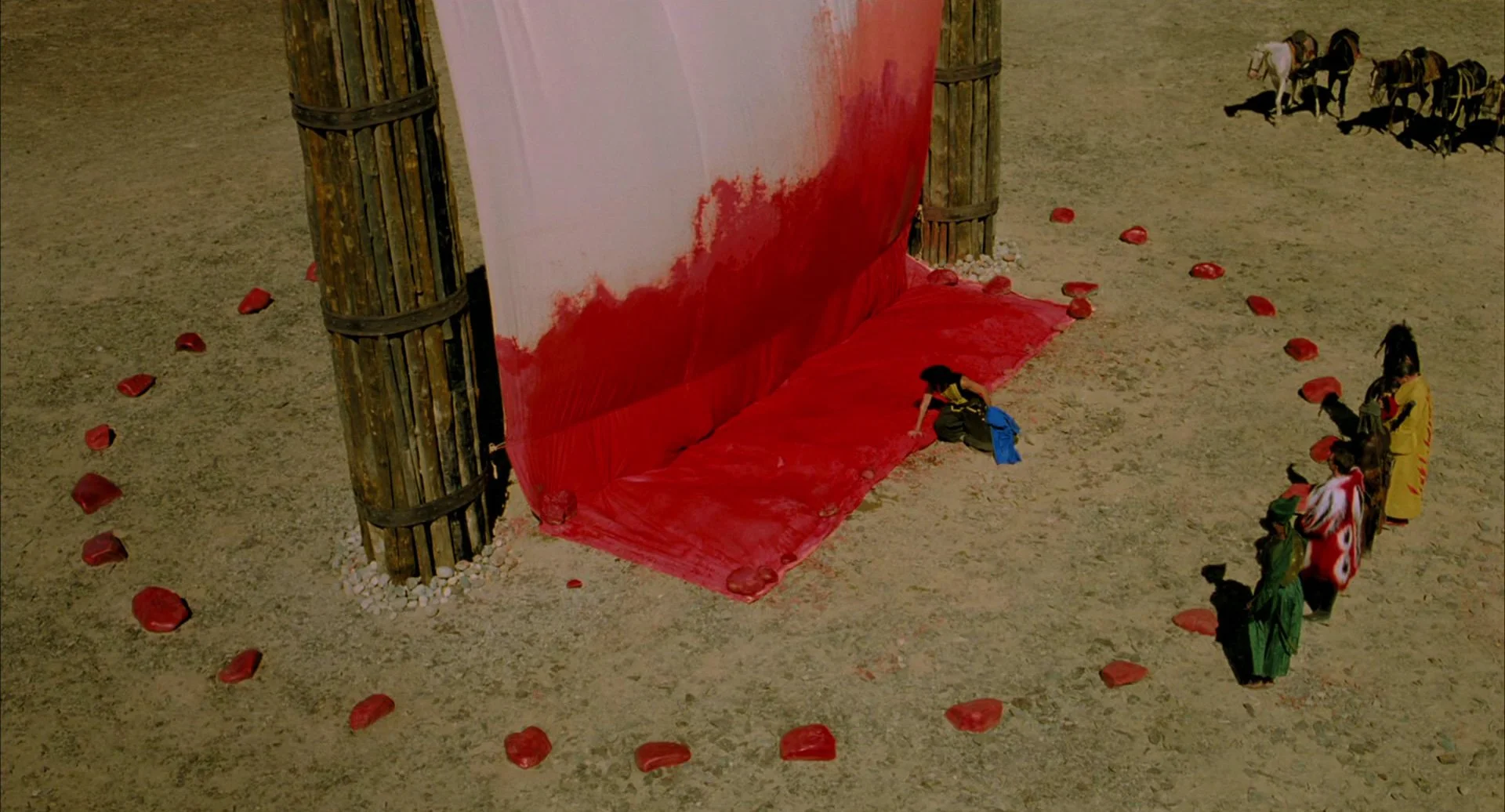
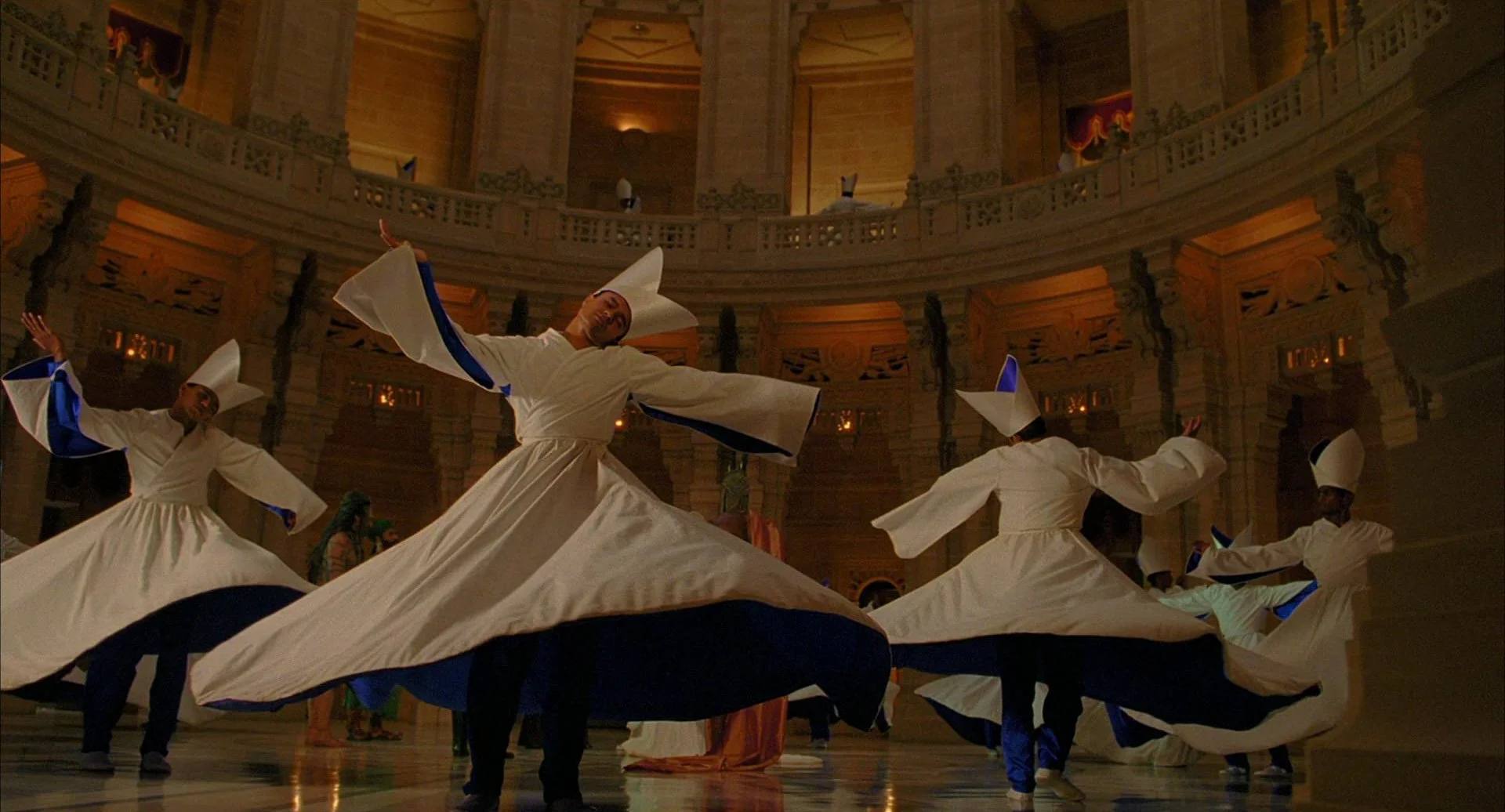
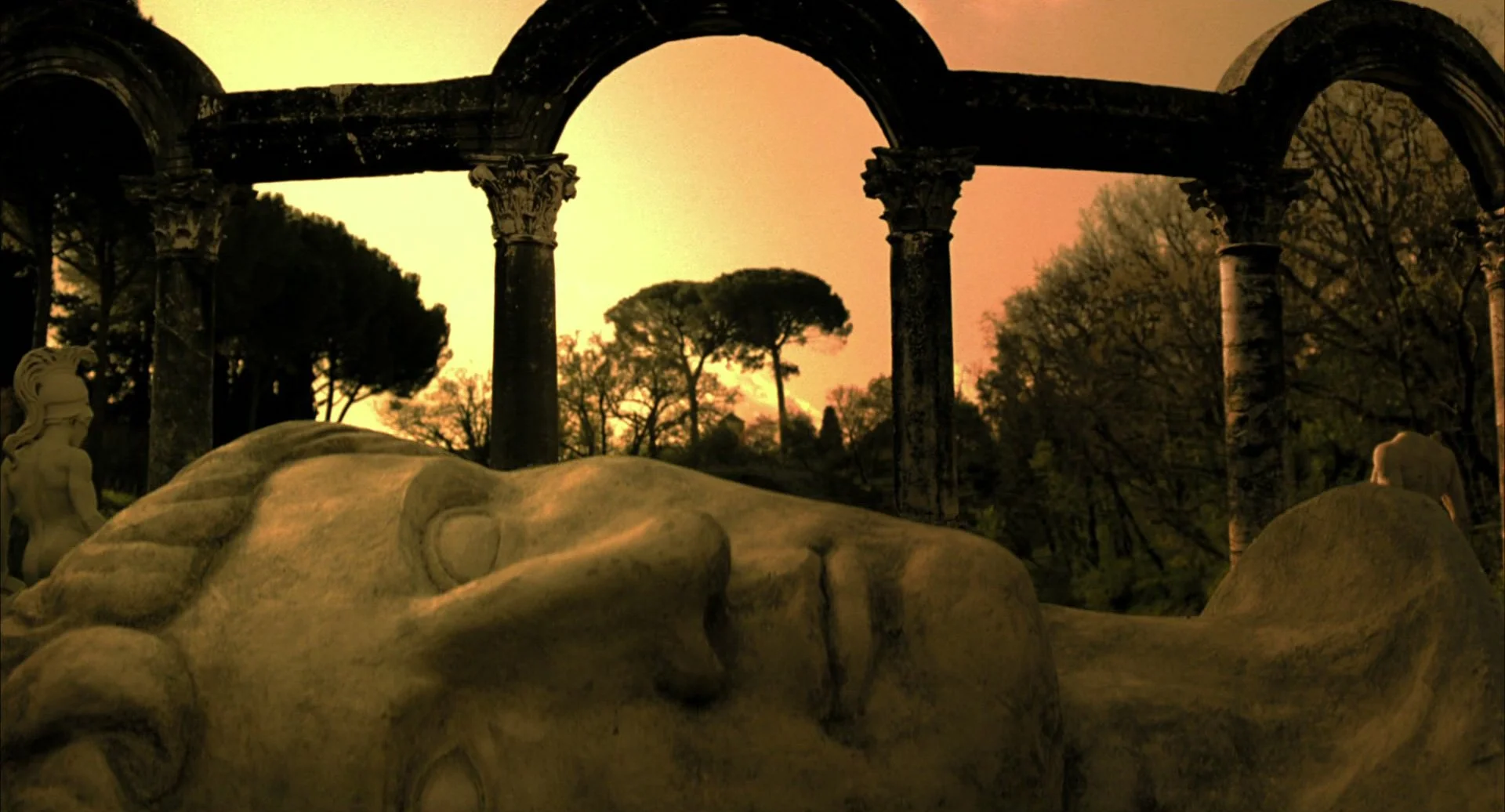
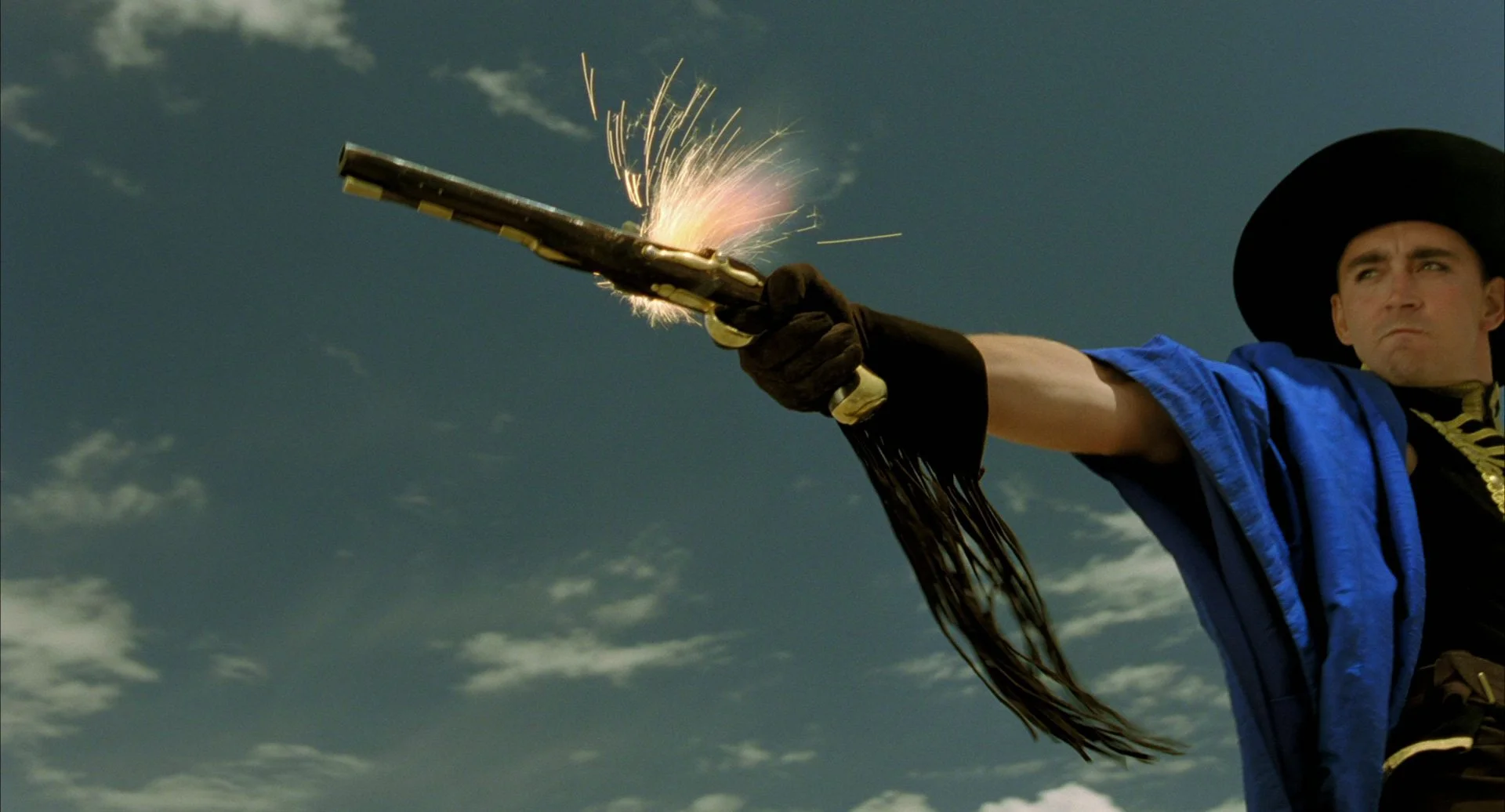
The plot is often illogical and disjointed since Roy and Alexandria create the story as they go along. Roy’s goal is to manipulate Alexandria into doing something for him, and Alexandria’s is to escape her situation and make sense of the world around her. The fairytale is fractured and twisted by distraction, desire, and fear.
This film brings me joy because I love the simplicity of this fairytale as told by a desperate storyteller and the most innocent of listeners. All are brought together by the most stunning cinematography ever put to film. The Fall is dark and delightful, and the two primary characters find grace in each other for the things they have sacrificed. The Fall has not been available for streaming for many years but is now available on the Internet Archive. I encourage you to watch it on the biggest screen you can find before someone figures out this film is not supposed to be available for free streaming.
WATCH: The full-length film is not available on any streaming service. it is available on DVD.
THEN WATCH: How Stories Can Save Us - The Philosophy of The Fall by Like Stories of Old (link).
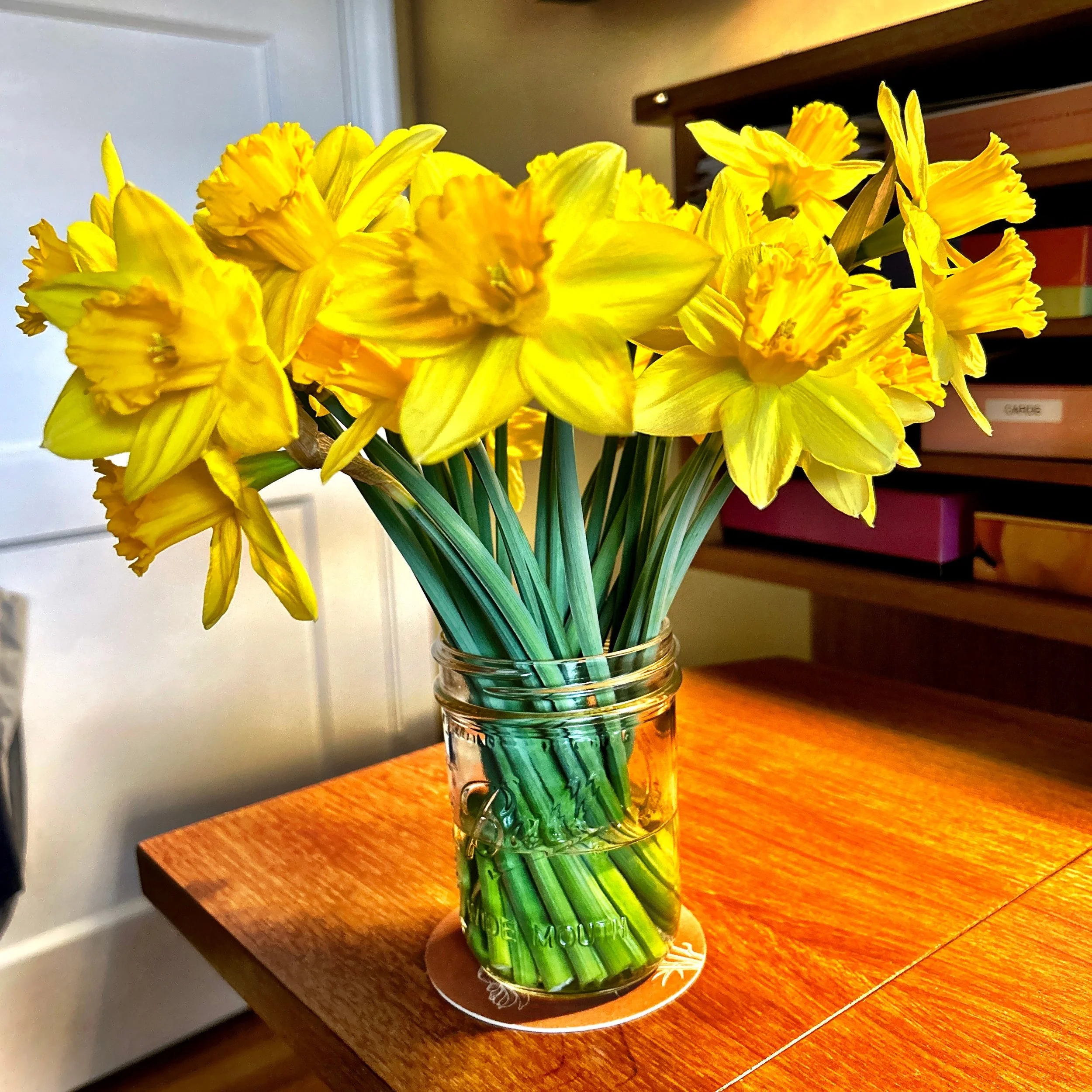
Six. Narcissus pseudonarcissus.
Seven. People (1952) by Yoshida Hodaka (吉田穂高).
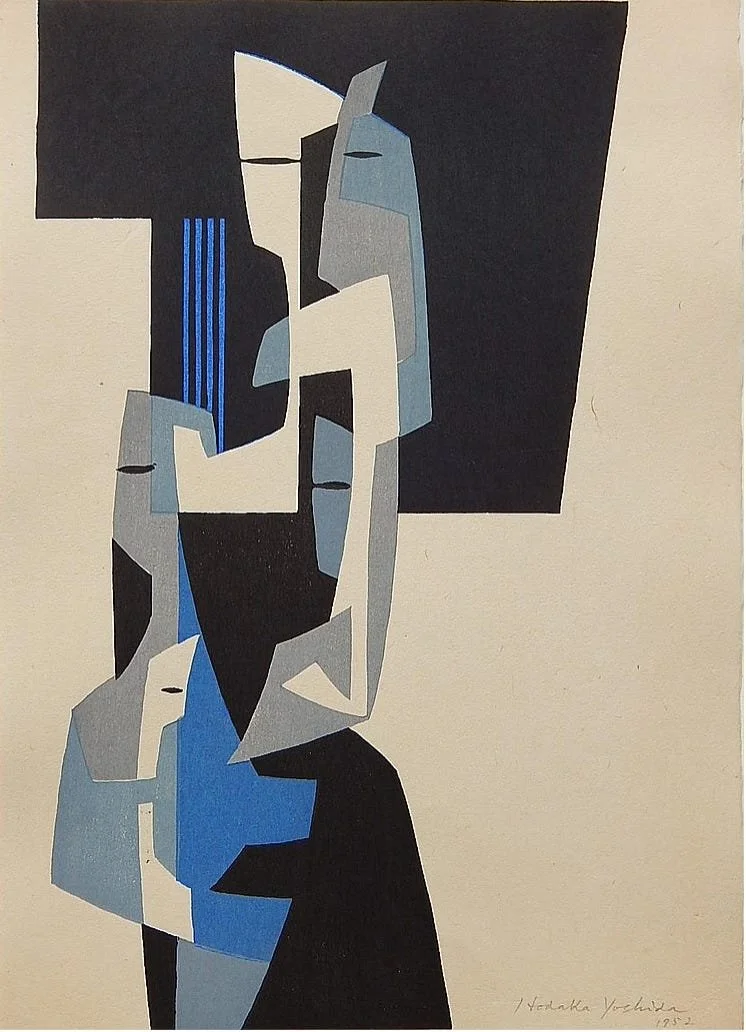
People (1952) by Yoshida Hodaka (吉田穂高)
Currently on exhibition at San Francisco’s Asian Art Museum, Yoshida Hodaka’s, People is a woodblock print that reflects Hodaka’s early period of printmaking, which focused on two-dimensional forms with a simplified, semi-abstract style. Hodaka (1926-1995) went on to break with traditional printmaking styles and create works that reflect his world travels, both in content and technique.
I find the colors and forms in People to be calming and grounding. Yeah, you guessed it, this print brings me joy :-).
READ: Yoshida Hodaka, a short bio on Viewing Japanese Prints.
VIEW: Yoshida Hodaka print collection on The Koller Collection of Asian Art.
Well, that’s all for March, folks. I hope this brought you a few minutes of joy, hours if you watched The Fall. Be grateful, live in the moment, and seek joy. - Kevin