ABOUT | ARCHITECTS | ARTISTS | FILM | COIT TOWER MURALS |
Artists of Thoroughly Modern Montgomery
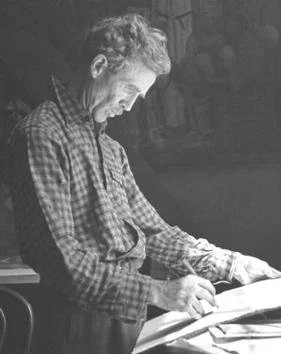
Ralph Stackpole (1885–1973)
Stackpole is one of the tour’s central artistic figures, responsible for sculpture at the Pacific Stock Exchange complex and for linking San Francisco architecture to a public art of labor, agriculture, and industry. He grounds modernity in human figures and infrastructure: rather than leave finance abstract, he carves workers, transport systems, and productive energy into stone, giving modern capitalism a visible social and material face. Other major works included contributions to the 1915 Panama-Pacific International Exposition and the 1939 Golden Gate International Exposition, as well as his central role in bringing Diego Rivera to San Francisco. Learn more at Wikipedia.
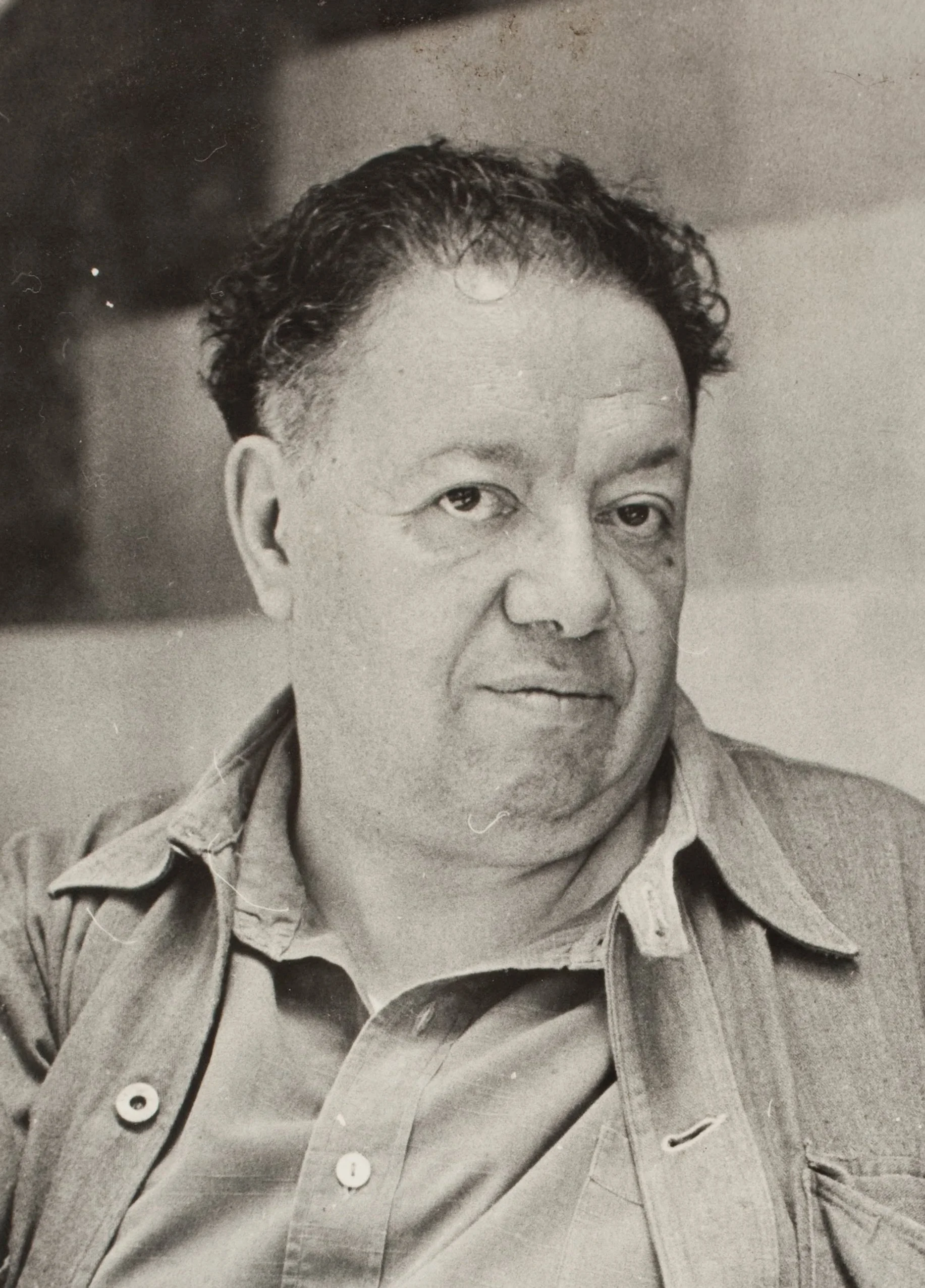
Diego Rivera (1886–1957)
Rivera’s Allegory of California at 155 Sansome is treated as a decisive moment when San Francisco’s financial core briefly embraced a genuinely modernist art program. He matters because his mural inserts labor, engineering, agriculture, and social contradiction into the elite interior of the Stock Exchange Club, exposing the human sources of wealth inside a citadel of capital. Other major works likely to be familiar include the Detroit Industry murals, Man at the Crossroads and its reworked Mexico City version Man, Controller of the Universe, and the murals at the Palacio Nacional in Mexico City. Learn more at Wikipedia. See also “Diego Rivera in San Francisco - FoundSF.”
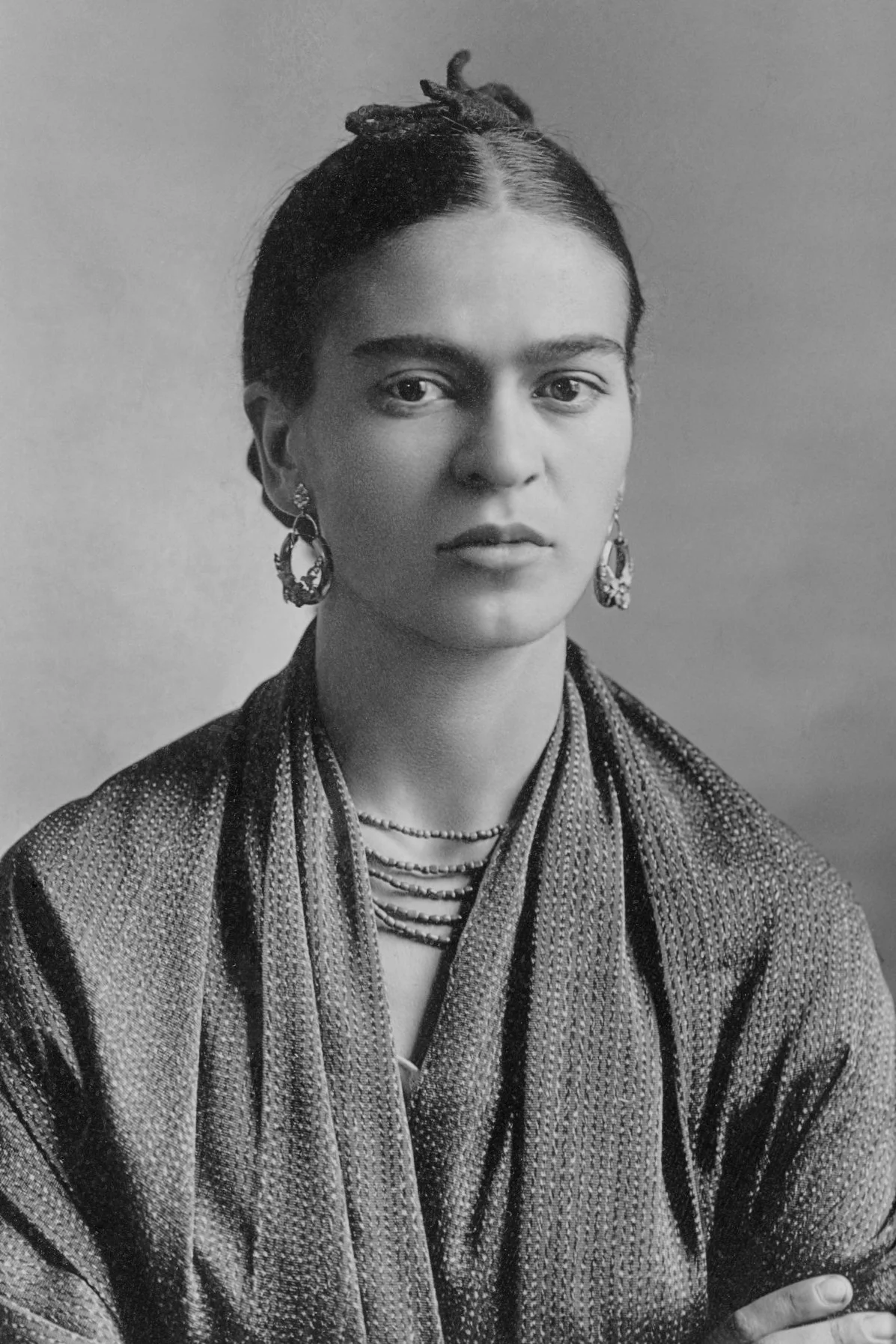
Frida Kahlo (1907–1954)
Kahlo appears in the tour through her residence and work at Stackpole’s and Hoeffler’s Telegraph Hill circle during 1930–31 and again around Calhoun Terrace in 1940. Her importance here lies less in local architecture than in how her presence ties San Francisco to transnational modernism, showing the hill as a site where intimate painting, political modernism, and the modern city briefly intersected. Other major works likely to be familiar include The Two Fridas, Self-Portrait with Thorn Necklace and Hummingbird, and The Broken Column. Learn more at Wikipedia.
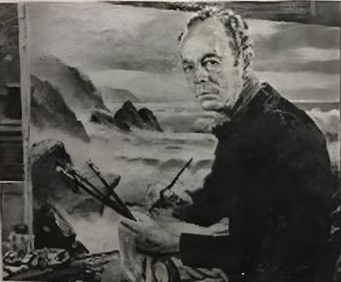
Alfred Du Pont (1904–1982)
Du Pont created the murals in the Malloch Building, where stylized workers, explorers, and transportation imagery compress interwar modernity into decorative allegory. In the tour’s terms, he is important because he turns a residential building into a machine-age canvas, connecting everyday domestic space to aviation, labor, infrastructure, and the mythology of progress. Other major works likely to be familiar include murals at the 1939 Golden Gate International Exposition and ceilings of Hearst Castle. Learn more at ArtsandArchitecture-SF. Image of Self Portrait from askART.
Coit Tower Artist Biographies
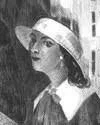
The Coit Tower murals were painted in 1933–34 by some twenty‑five local artists, funded by the first New Deal art program, but the project had two main leaders: Bernard Zakheim, who helped design the overall program and painted the radical ‘Library,’ and Victor Arnautoff, a former assistant to Diego Rivera who supervised the painting on‑site and created the big ‘City Life’ mural. A third senior figure, Ralph Stackpole, linked this project to his earlier financial‑district sculptures, while artists like Maxine Albro, John Langley Howard, and George Harris contributed the best‑known panels on agriculture, industrial labor, and banking. Image of artist Maxine Albro. For biographies on the artists, see: “Coit Tower: Artists Bios.” n.d. https://coittower.org/artists/bios.html. For images of the murals, see https://www.pioneerparksf.org/coit-tower-murals
Unless otherwise noted, photographs on this page are in the Public Domain or licensed under Creative Commons Licensing.