ABOUT | ARCHITECTS | ARTISTS | FILM | COIT TOWER MURALS |
Films of the Thoroughly Modern Montgomery Tour
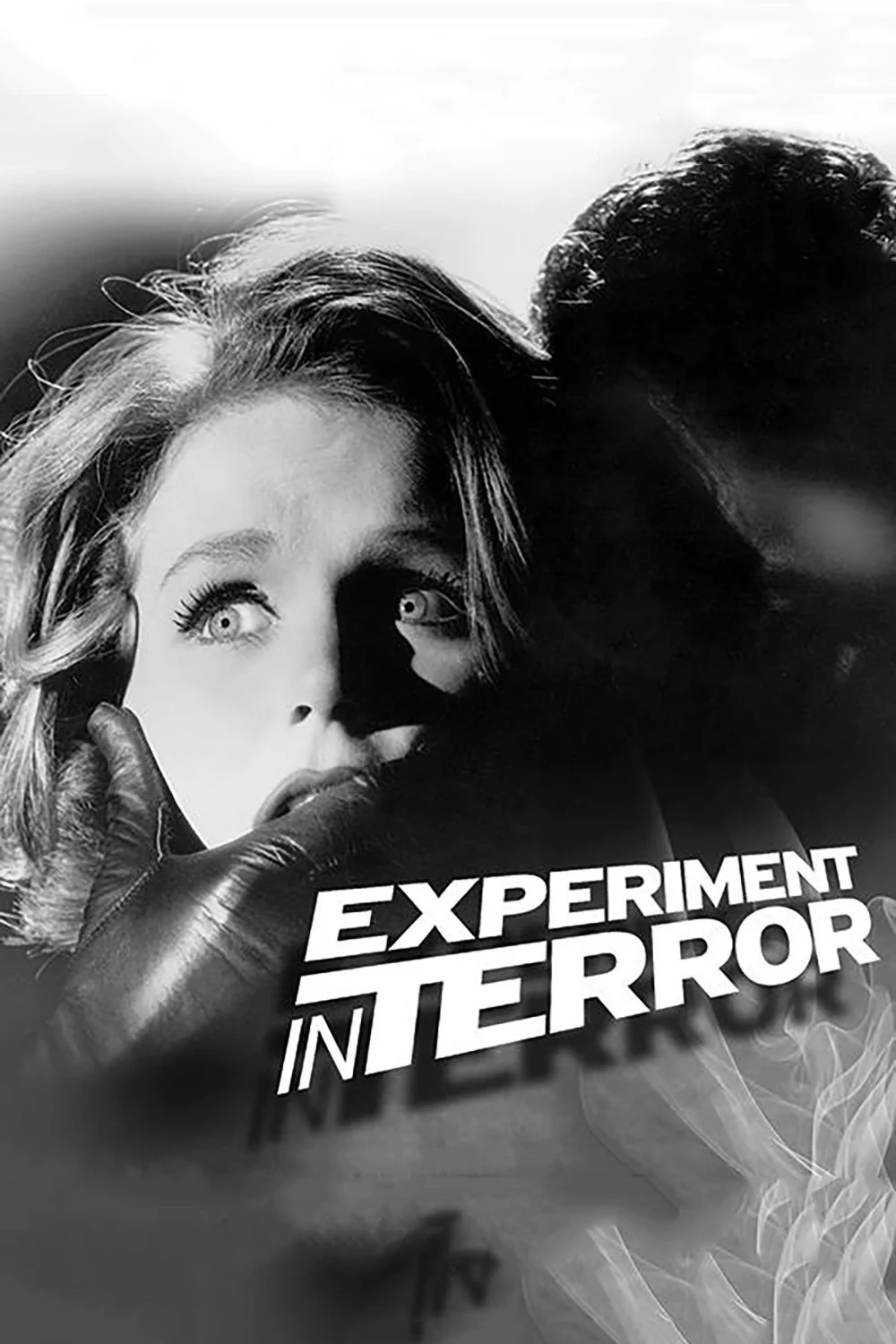
Experiment in Terror (1962) – Blake Edwards – Film noir / psychological thriller
At One Montgomery, this film marks the moment when improved film stock and lighting allow the Financial District’s lobbies and canyons to be filmed on location at night, turning the city into a site of extortion, surveillance, and psychological pressure. It expresses modernity through mass media, technological image-making, and the sense that corporate spaces themselves can become socially and emotionally unstable. Lee Remick, Glenn Ford, and Ross Martin. Trailer
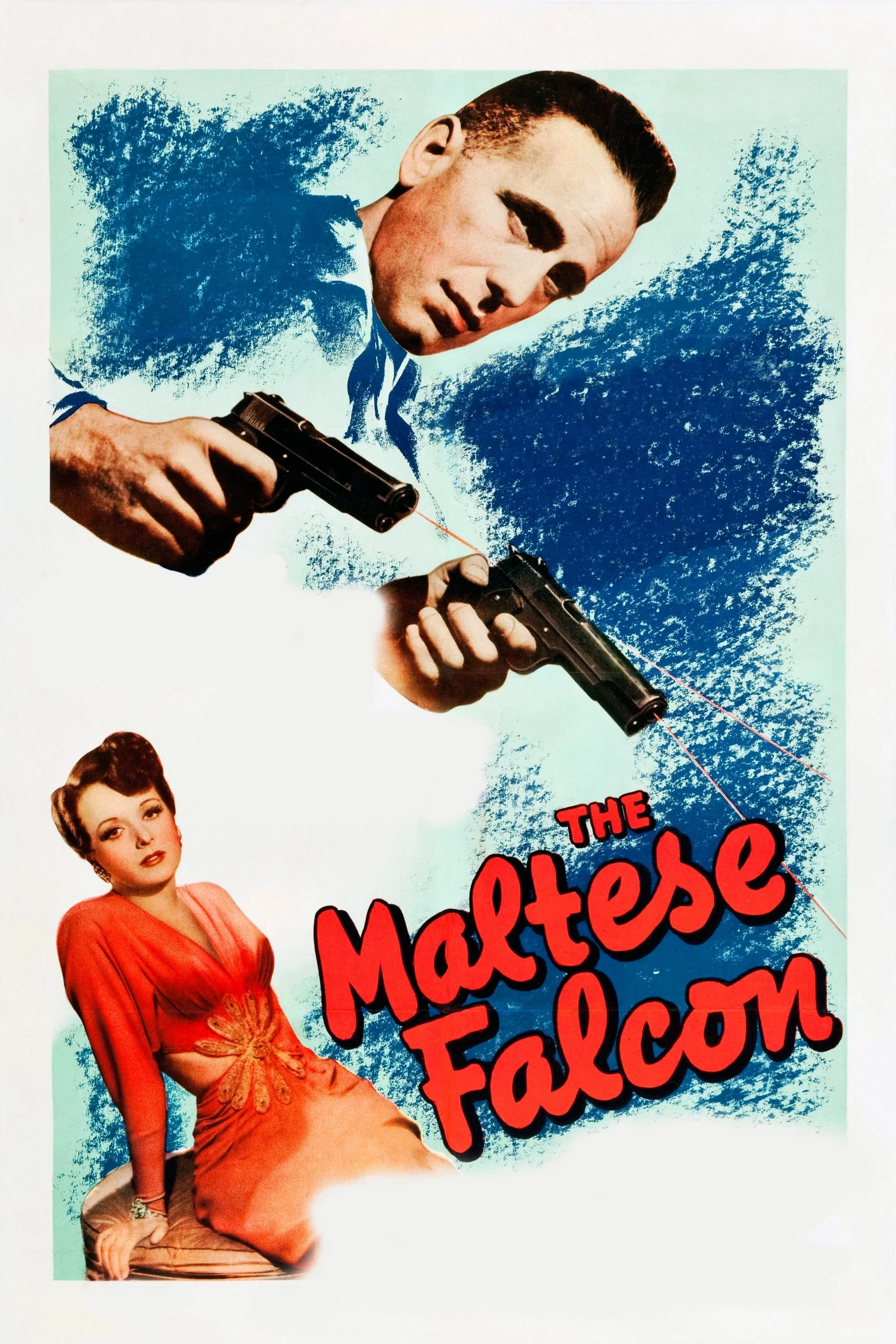
The Maltese Falcon (1941) – John Huston – Film noir
Linked to the Hunter–Dulin Building as the fictional address of Spade and Archer, the film ties downtown high-rises to telephones, wire services, celebrity, and crime. It expresses modernity by treating San Francisco as an information-saturated maze where business addresses, media networks, and criminal intrigue merge into a single urban system. Trailer
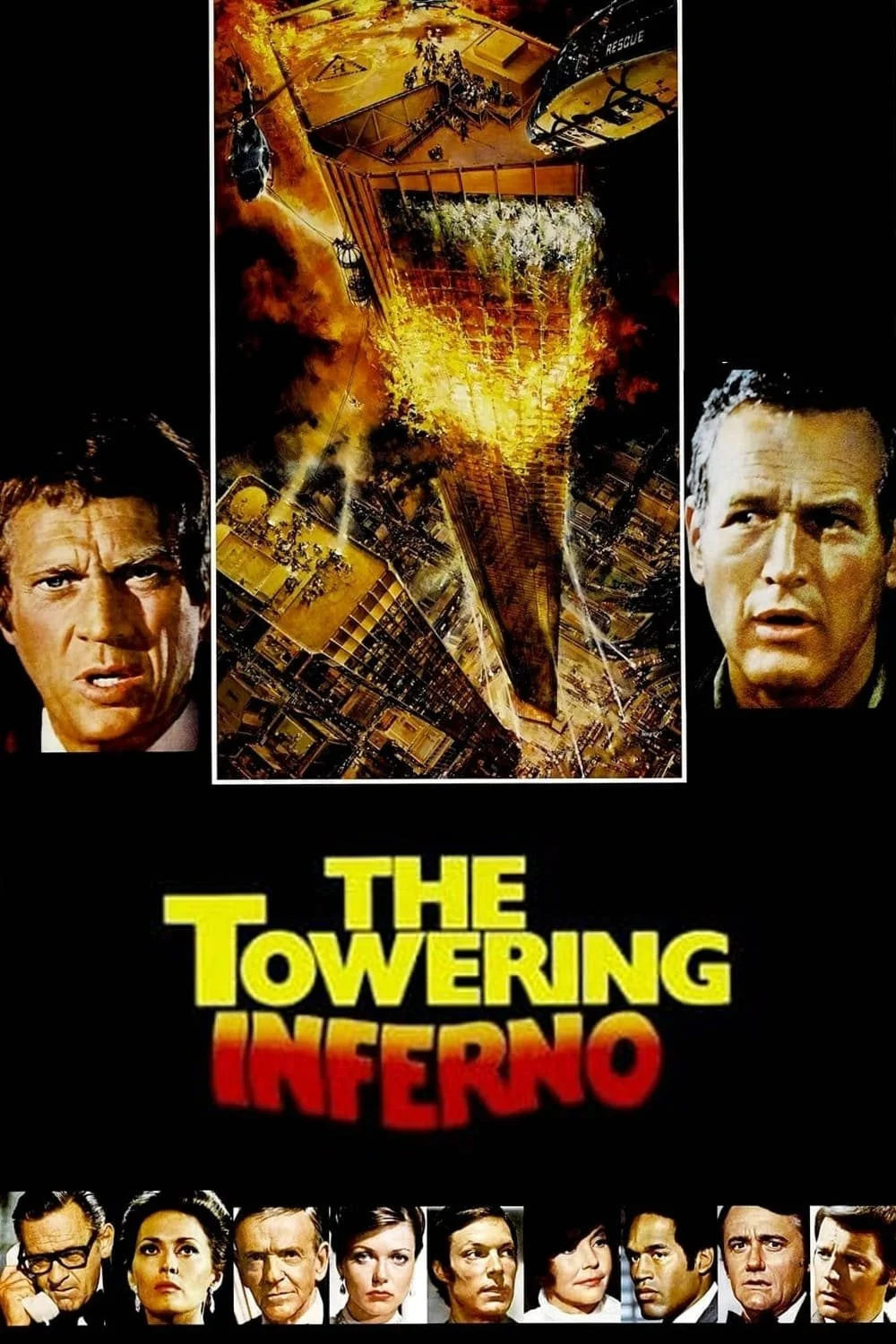
The Towering Inferno (1974) – John Guillermin – Disaster film
At 555 California, the movie uses the plaza and the complex's lower entrance as the face of its fictional Glass Tower, mapping catastrophic fire, failed safety systems, and corporate negligence onto a real corporate megastructure. It expresses modernity by showing how extreme height, sealed mechanical systems, and centralized control turn late-modern corporate architecture into an engine of systemic risk. Paul Newman, Faye Dunaway, and Steve McQueen. Trailer
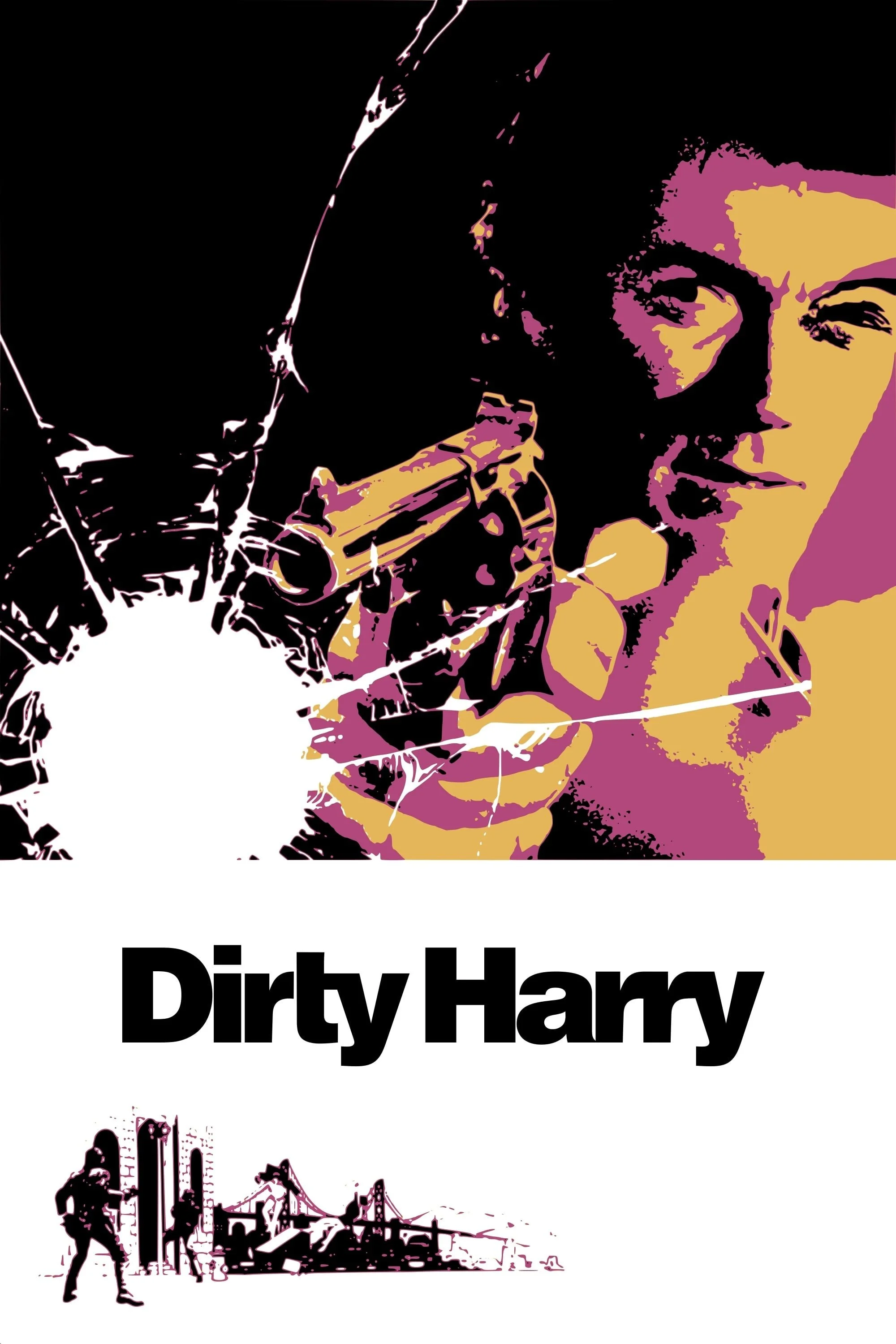
Dirty Harry (1971) – Don Siegel – Police thriller / neo‑noir
One of the films haunting the Montgomery–Telegraph Hill corridor with location shots at 555 California, Dirty Harry anchors 1970s San Francisco as a hard-edged landscape of freeways, plazas, and high-rise perches. It expresses modernity through the convergence of policing, media fear, and corporate urbanism in a city struggling with crime, governance, and spectacle. Clint Eastwood. Trailer
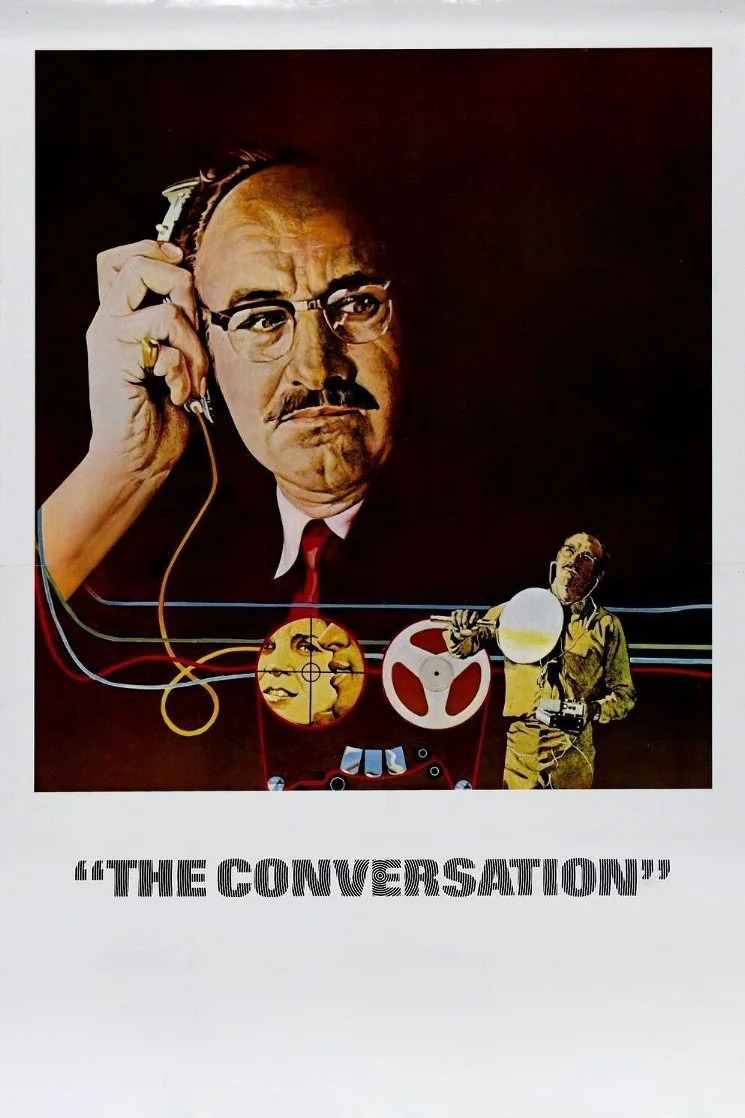
The Conversation (1974) – Francis Ford Coppola – Neo‑noir / paranoid thriller
Set largely in downtown San Francisco and Union Square, The Conversation follows Harry Caul, a professional surveillance expert whose recordings of an apparently ordinary couple lead him to fear he is enabling a murder; the film turns plazas, office towers, and semi‑public interiors into an abstract landscape of microphones, tape decks, and wiretaps, expressing modernity as an invisible network of listening and control in the Watergate era, where privacy becomes a fragile commodity and the modern city is experienced as a field of suspicion rather than transparency. Gene Hackman. Trailer | Full Feature |
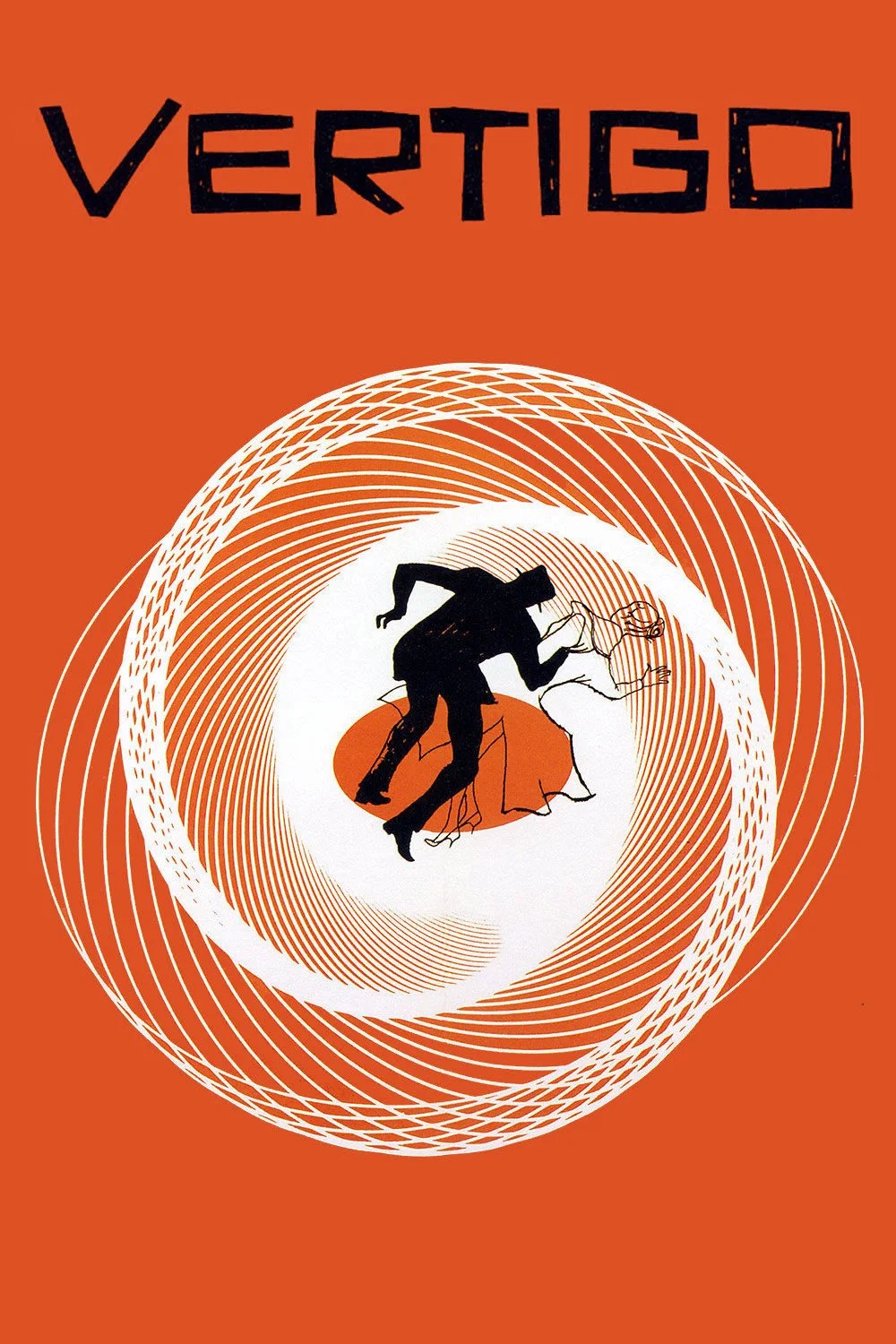
Vertigo (1958) – Alfred Hitchcock – Psychological thriller / noir‑inflected mystery
At Union and Montgomery, the tour invokes Vertigo to show stairs, apartments, and skyline views as architectures of psychological breakdown in a rapidly changing city. It expresses modernity through urban disorientation, unstable identity, and the uneasy overlap of intimate neighborhoods with distant corporate power and spectacle. Kim Novak, James Stewart, and Barbara Bel Geddes. Trailer
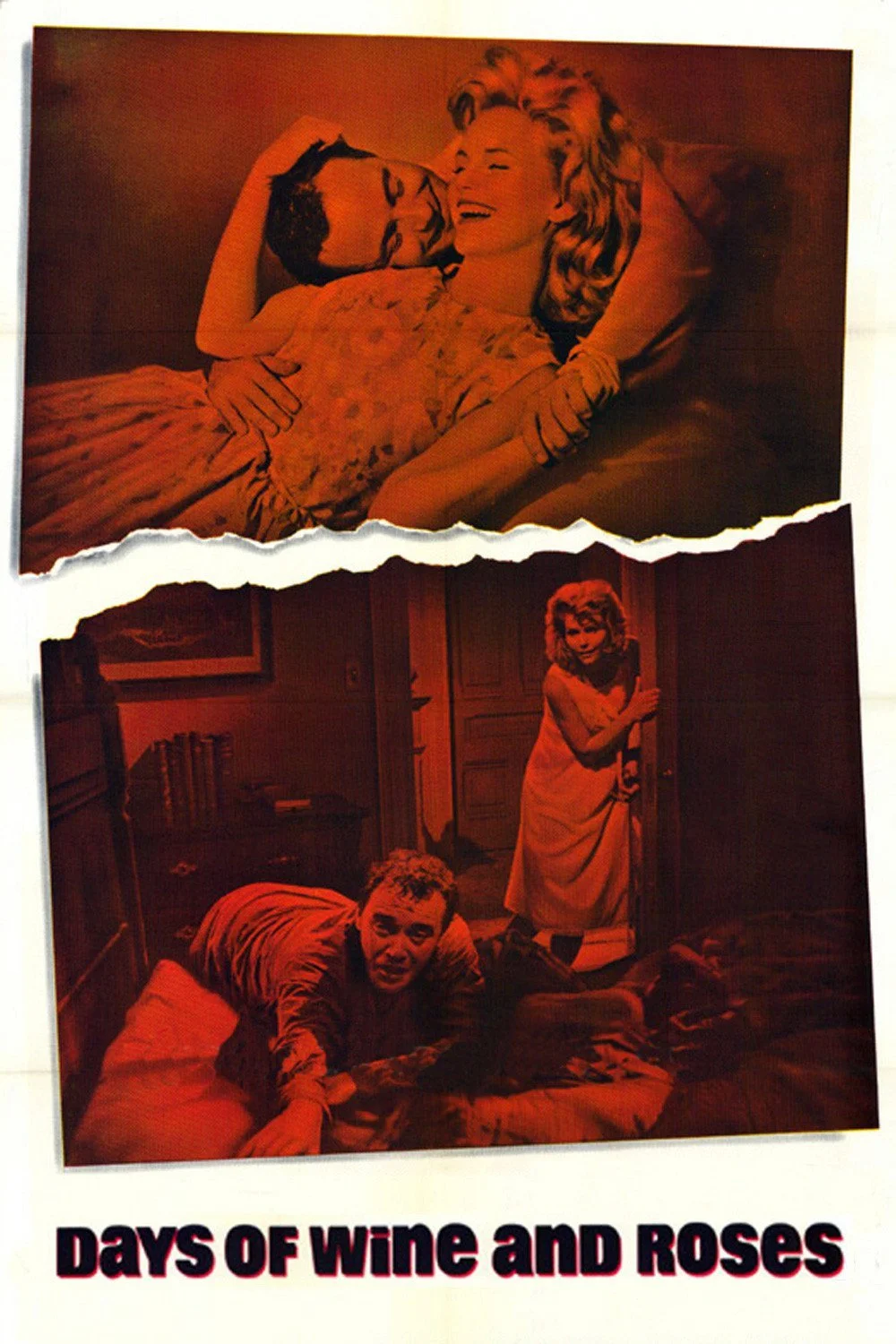
Days of Wine and Roses (1962) – Blake Edwards – Drama
Also associated with the Union–Montgomery area, the film turns postwar apartments and hillside streets into settings for addiction and emotional collapse within an ostensibly ordinary urban life. It expresses modernity less through visual spectacle than through the pressure that modern work, nightlife, and social performance place on private feeling. Jack Lemmon and Lee Remick. Trailer
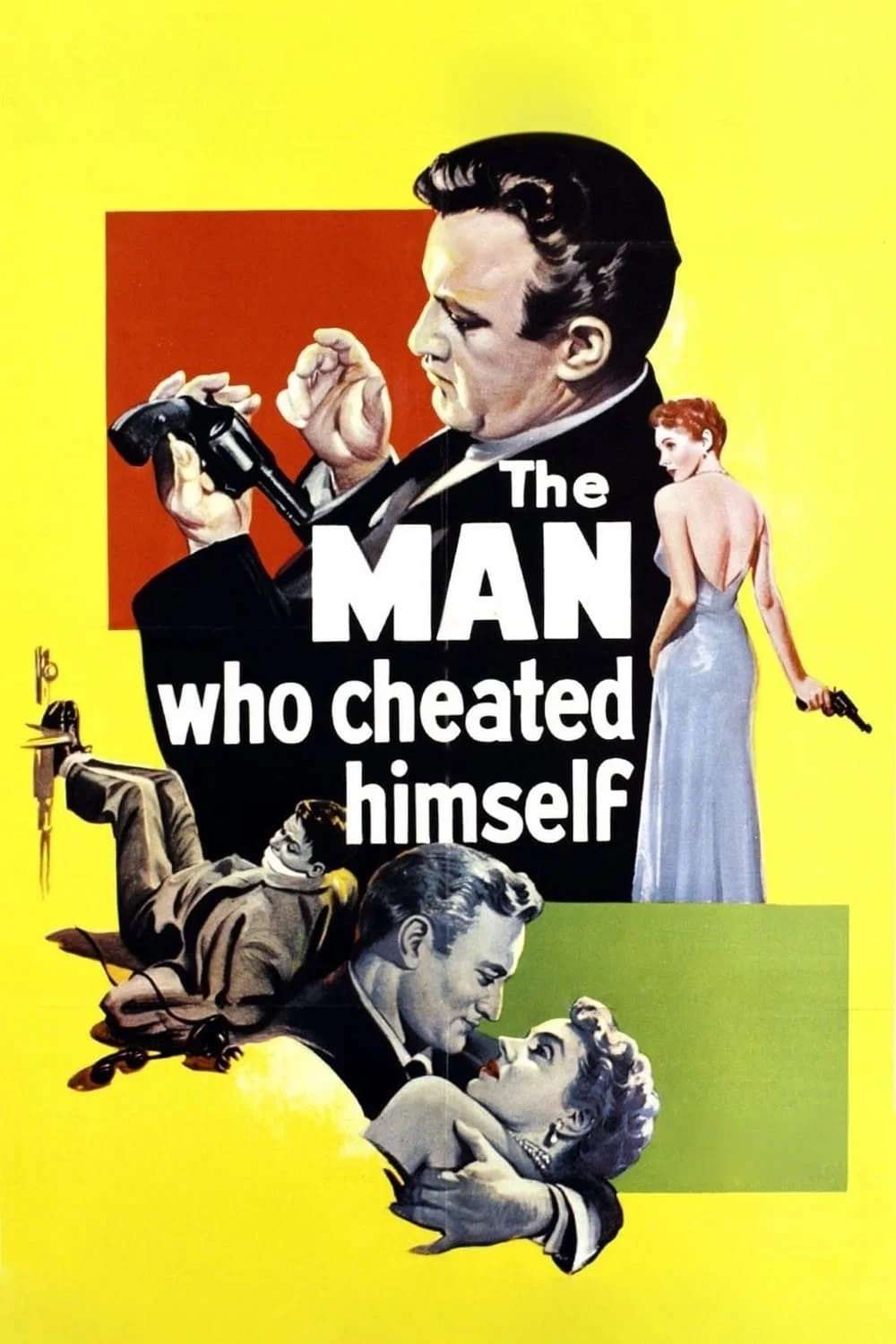
The Man Who Cheated Himself (1950) – Felix E. Feist – Film noir / crime drama
The former Speedy’s Grocery at 301 Union appears in the tour as one of this film’s on‑street nodes of chance encounter and watching. It expresses modernity by showing how small urban corners—stores, sidewalks, intersections—are embedded in larger systems of secrecy, policing, and moral instability. Lee J. Cobb and Jane Wyatt. Full Feature
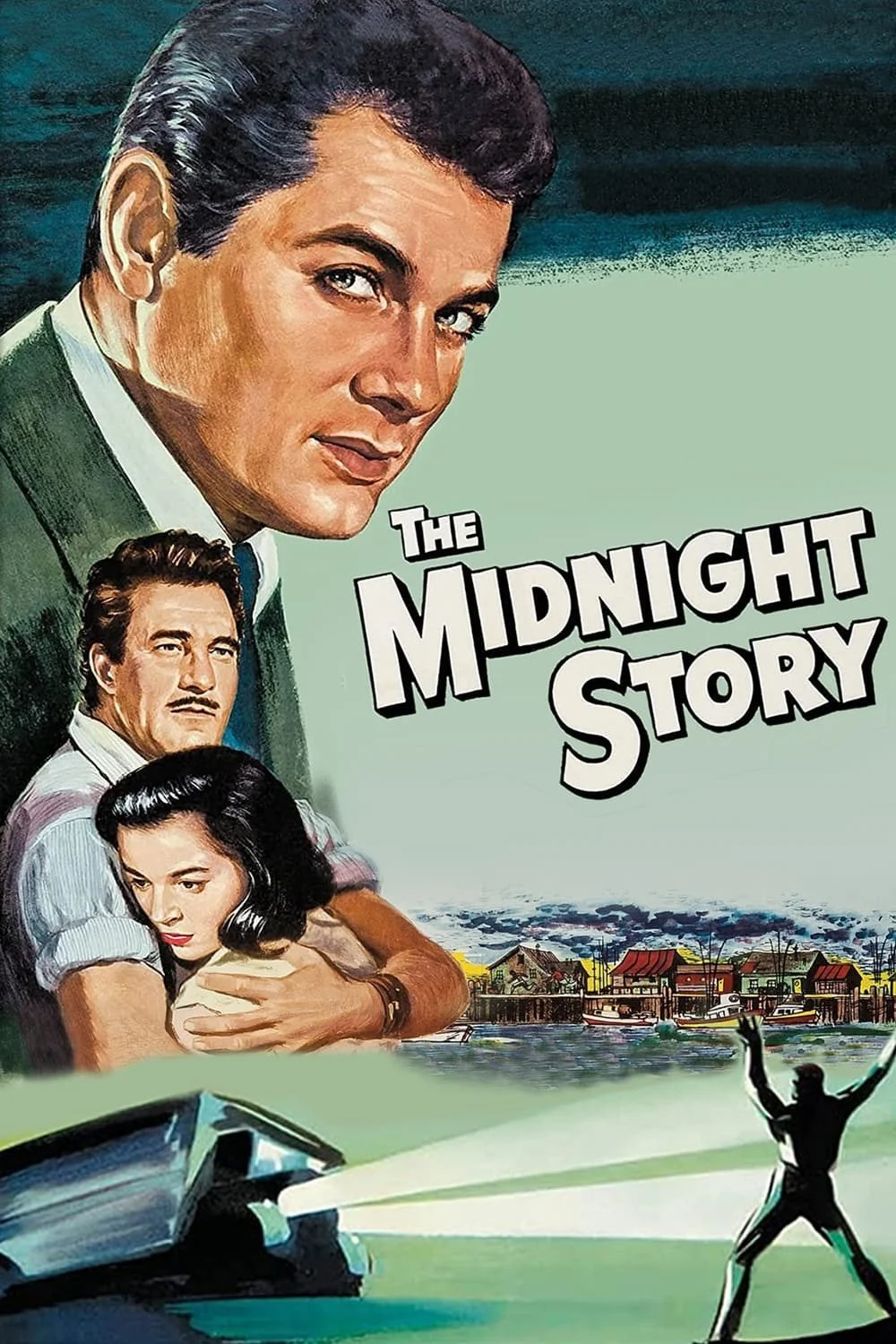
The Midnight Story (1957) – Joseph Pevney – Film noir / crime melodrama
Starring Tony Curtis as San Francisco traffic cop Joe Martini, The Midnight Story opens with the alleyway murder of a beloved priest and follows Joe as he turns in his badge and goes undercover, insinuating himself into the North Beach Italian community and the family of his main suspect; shot extensively on location—in Bayview, Fisherman’s Wharf, North Beach, and on the Montgomery Street steps and at 1227 Montgomery on Telegraph Hill—the film treats San Francisco’s hills, stairways, and waterfront as a moral as well as physical terrain, expressing modernity through postwar urban Catholicism, immigrant neighborhood networks, and a police investigation that blurs the line between duty, loyalty, and surveillance in a city where intimate family life and crime suspicion occupy the same streets. Tony Curtis and Gilbert Roland. Full Feature.
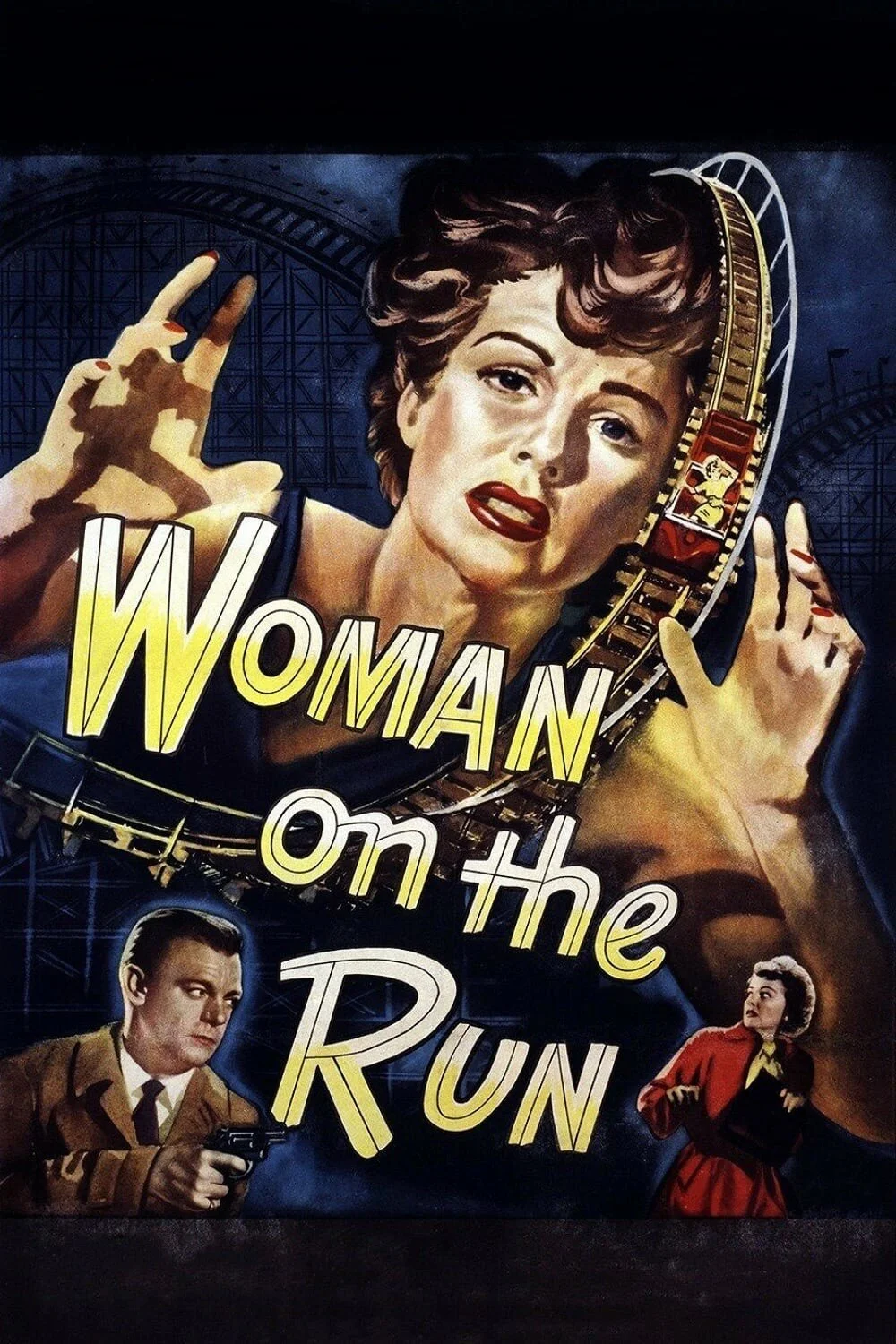
Woman on the Run (1950) – Norman Foster – Film noir / suspense
Using the same Telegraph Hill district, Woman on the Run turns ordinary streets and viewpoints into a maze of pursuit and concealment. It expresses modernity through speed, anonymity, and the sense that the modern metropolis is a network where movement itself becomes dangerous. Ann Sheridan. Full Feature
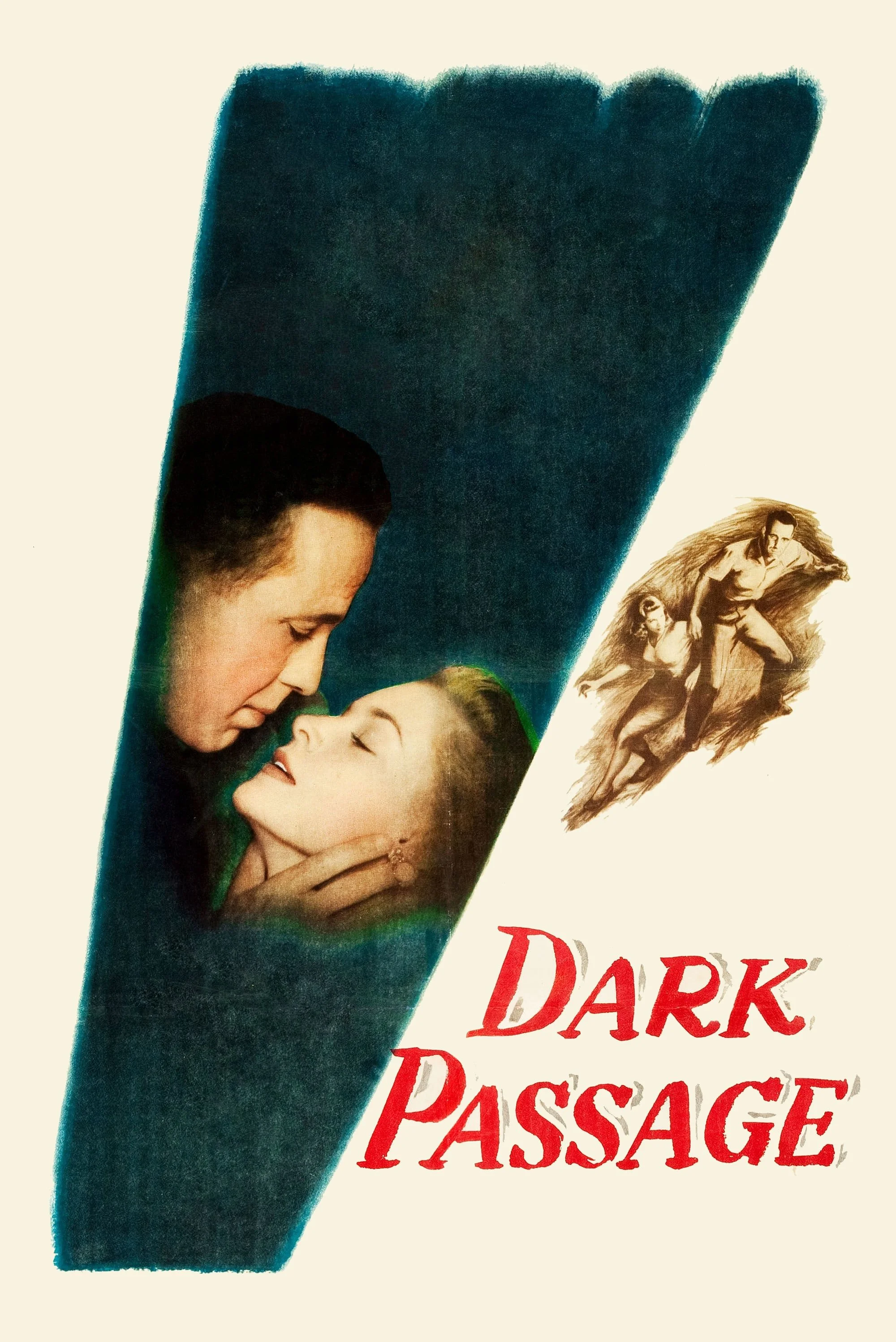
Dark Passage (1947) – Delmer Daves – Film noir
At the Malloch Building and the Telegraph Hill stairs, the tour treats this film as the purest exploitation of the hill’s switchbacks, balconies, and sightlines as a noir apparatus. It expresses modernity through mobility, surveillance, and fragmented perception, as if the city’s modernized topography itself choreographs danger, escape, and unstable identity. Lauren Bacall, Humphrey Bogart, and Agnes Moorehead. Trailer
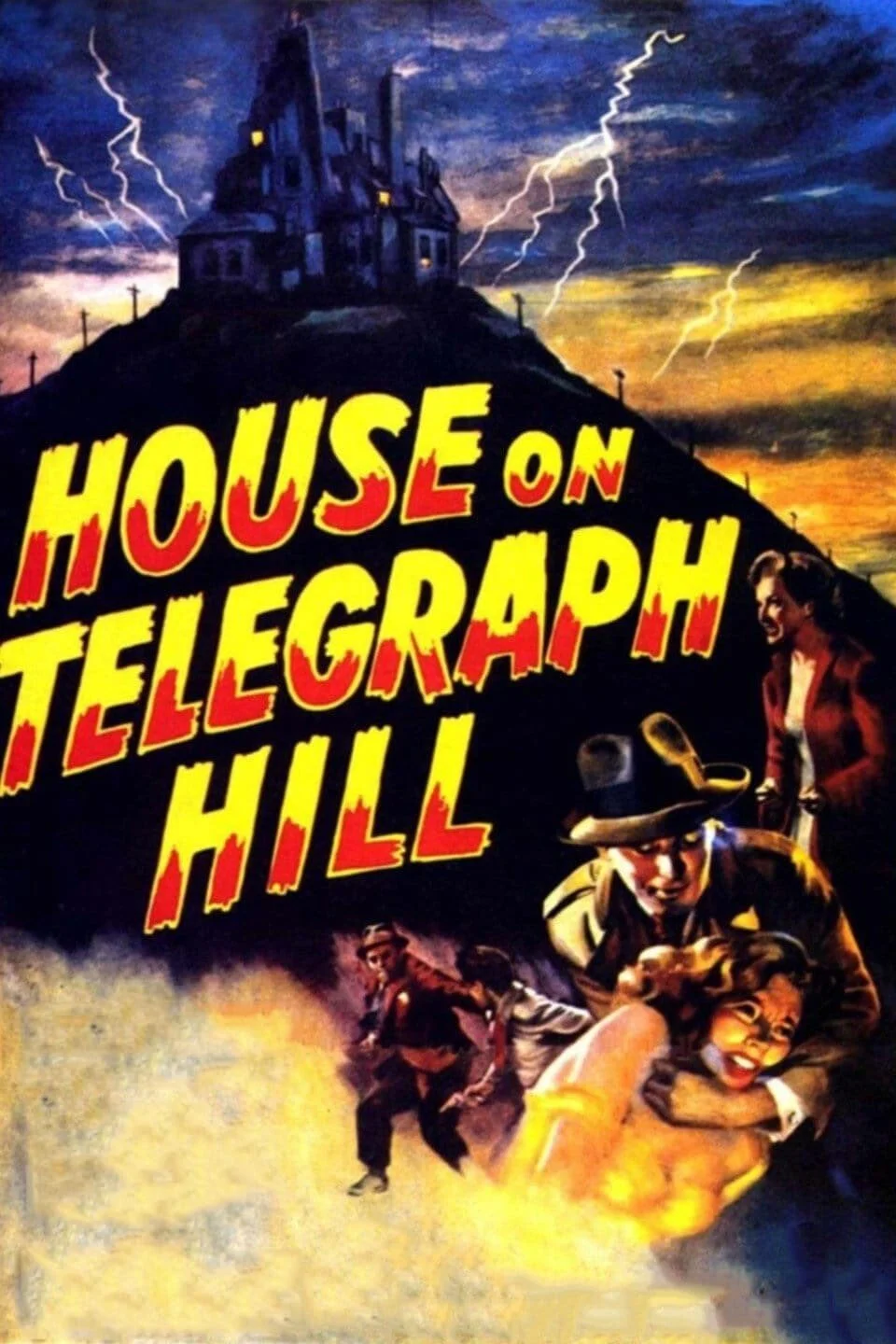
House on Telegraph Hill (1951) – Robert Wise – Film noir / thriller
Around Julius’ Castle and the hilltop houses, the film turns elevated domestic space into a set for inheritance, deception, and threat. It expresses modernity by revealing how aspirational homes and terraces, tied to shifting class geographies of the hill, double as exposed stages for paranoia and control. Richard Basehart and Valentina Cortese. Full Feature
Interested in where specific film scenes are shot in San Francisco? Reel SF is a well-researched, ad‑free “then and now” blog that uses frame‑grabs, historic photos, and street‑level detective work to document San Francisco movie locations from classic films, especially noir, film by film and location by location. Learn more at Reel SF.
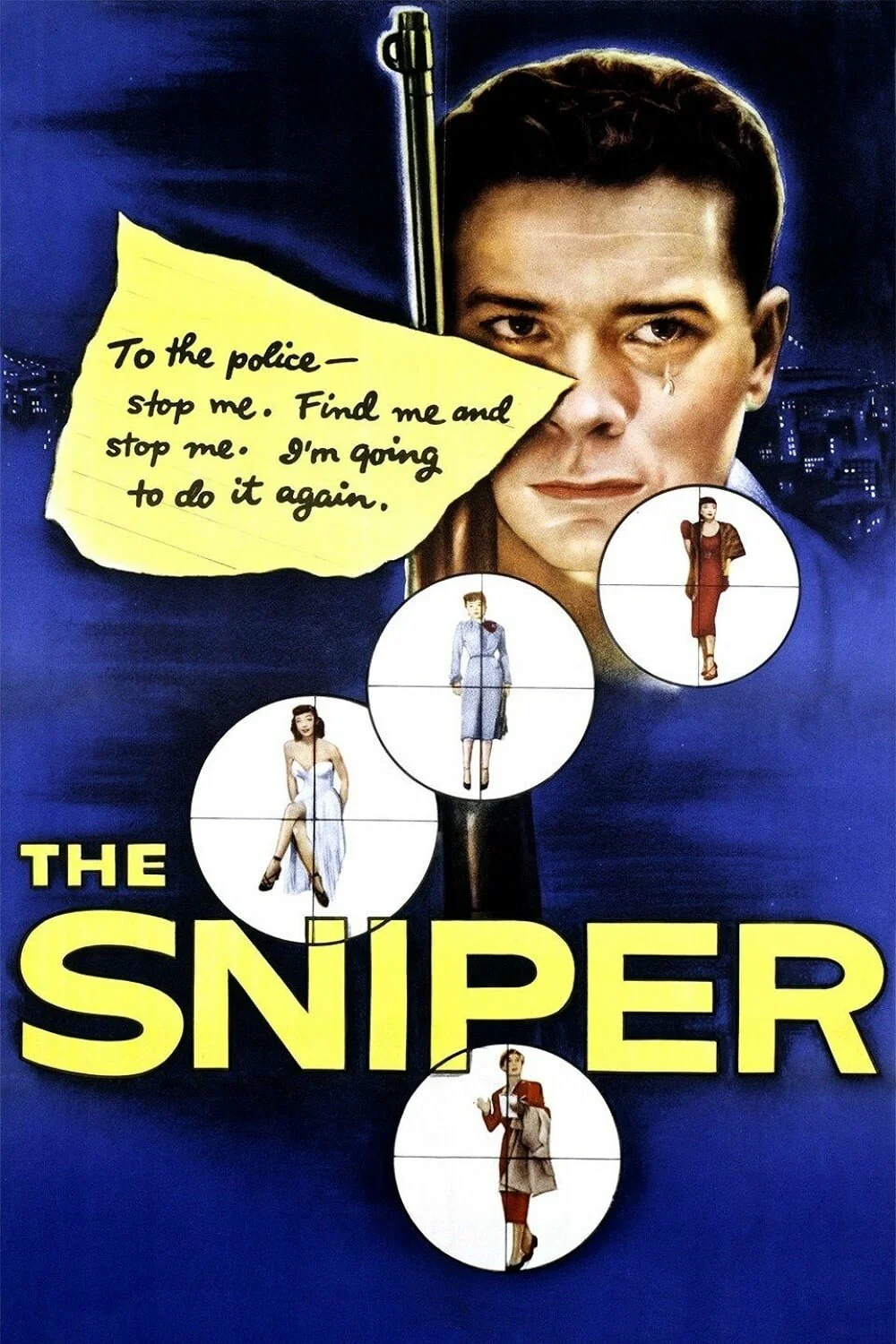
The Sniper (1952) – Edward Dmytryk – Film noir / crime thriller
On Calhoun Terrace, the tour notes that the killer uses Modernist terraces and lampposts as vantage points over the city. It expresses modernity through surveillance, alienation, and the transformation of modern domestic and public infrastructure into platforms for distance, targeting, and psychological fracture. Arthur Franz and Adolphe Menjou. Full Feature
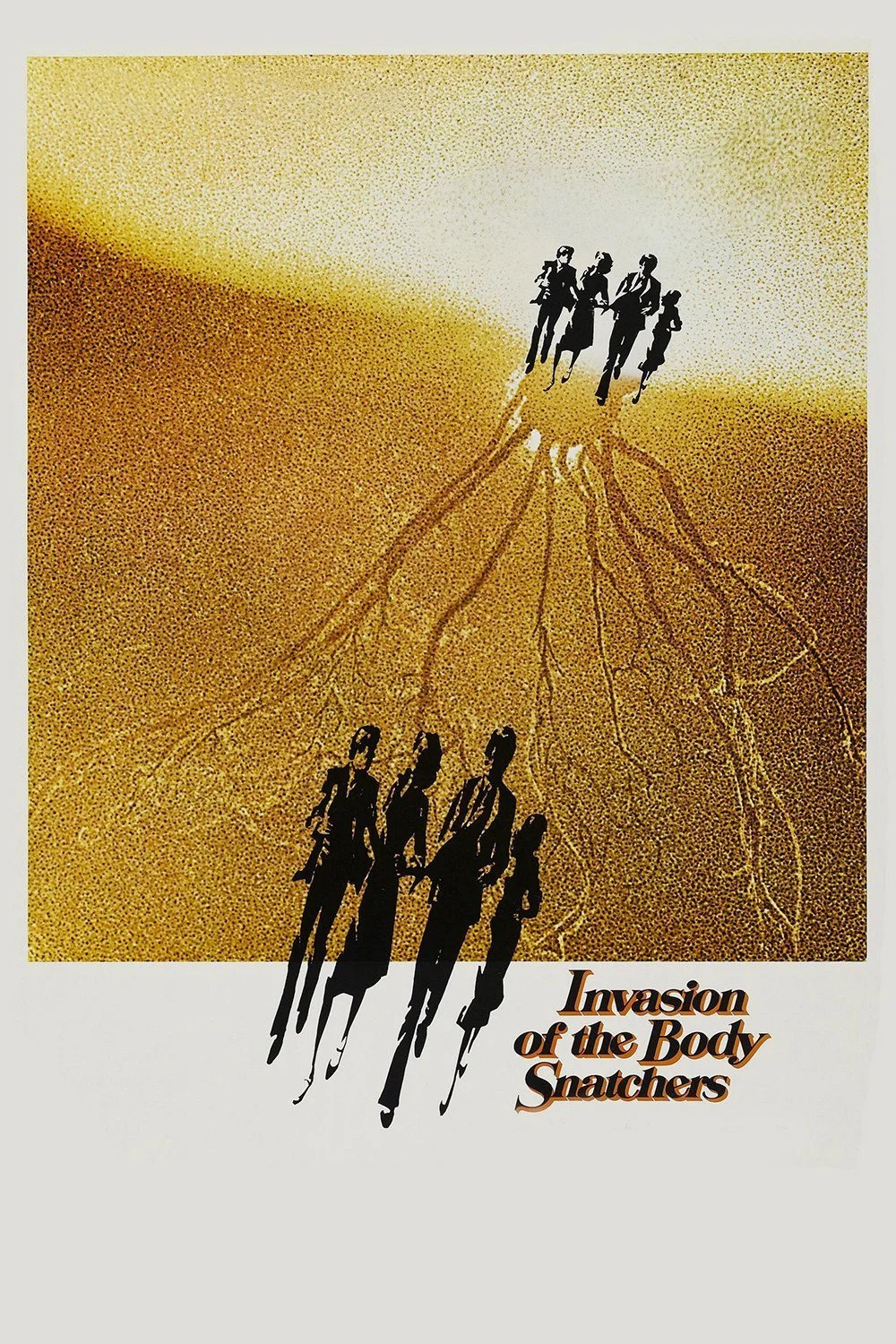
Invasion of the Body Snatchers (1978) – Philip Kaufman – Science fiction / post‑noir thriller
At 1227 Montgomery and on top of the Greet Street Steps, Matthew Bennell’s hillside dwelling faces the Financial District skyline, tying the film’s horror directly to the modern cityscape. It expresses modernity through bureaucratic alienation, bodily takeover, and the fear that modern systems—administrative, medical, and urban—can erase individuality while retaining a veneer of normalcy. Donald Sutherland, Brooke Adams, Leonard Nimoy, Jeff Goldblum, and Veronica Cartwright. Trailer